The Maris Review, vol 84
What I read this week
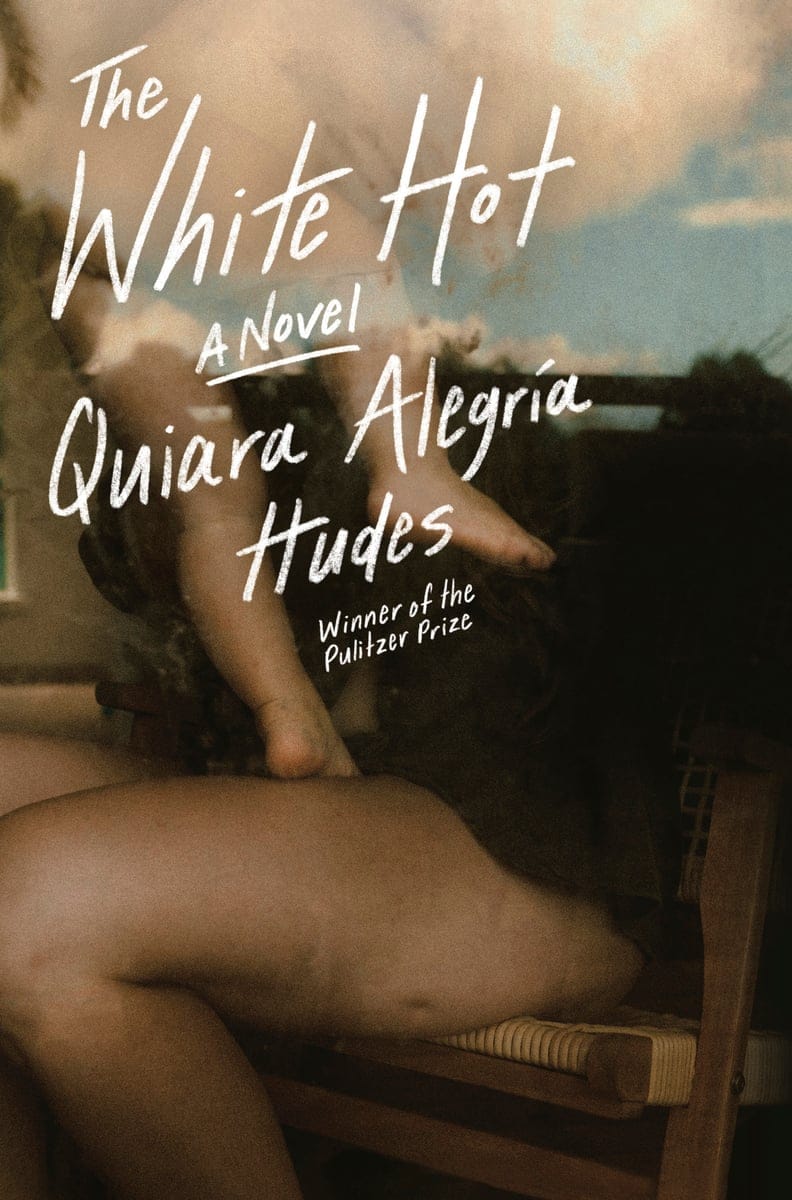
The White Hot by Quiara Alegría Hudes
I'm not going to be able to do this one justice. I usually try to listen to the audio version of books in which the prose isn't the main thing. I save the plot-heavy fiction for audio because I need to be able to see the words in front of me if the words are going to blow my mind. And yet. When I saw that Daphne Rubin Vega narrates this debut novel by the award-winning playwright (In the Heights) and essayist Quiara Alegría Hudes I decided to go in rather than waiting for a hard copy. Rubin Vega does an excellent job, but the language is so lovely that I still have to get that hard copy so I can start underlining some sentences.
Told in the form of a letter that a 26 year-old woman named Rose writes to Noelle, the daughter whom she's abandoned, The White Hot can be located in the literature of "bad mothers" closer to Joni Mitchell and Annie Ernaux than Madea. Rose never got to have a proper childhood, let alone a vacation. Rose had become inured to the domestic routines of her small world in North Philly, as her foremothers had before her. and after seeing time and time again that her daughter has inherited her blinding rage, she leaves on a 10-day voyage to think and explore and to "find herself" a la the title character in Siddhartha, a novel she always hated. It was always the men who got to go on quests, and the women who were left behind.
And so she journeys to Ohio (no West Coast enlightenment for Rose) and achieves some small-scale but ultimately life-changing enlightenment. She experiences the beauty of nature and art and alone time, and how such beauty might help to sublimate her anger and turn it into something better.
One of my favorite moments of the novel is when Rose gains access to a record collection and discovers the joy of finding other selves in art. And so I'll leave you with the one passage I did transcribe, so you get a sense. Here is Rose listening to Charles Mingus for the first time: "All was laid bare. Notes like smashed dinner plates. Piano like feet propelled out the door. Our hostility, Noelle, yours and mine, had songs and yet they were melodious, stacked and wound tight with love... the white hotness, my armor, my undoing, Mingus gave it sonic form."
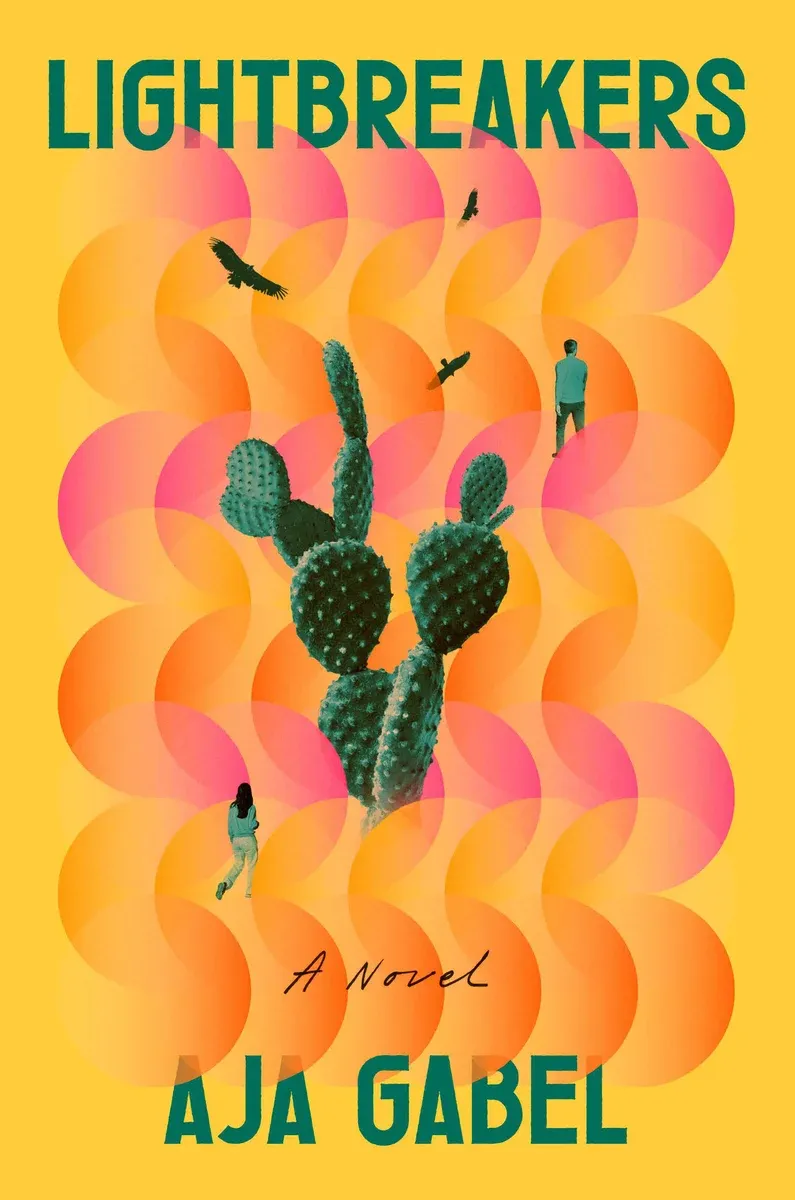
Lightbreakers by Aja Gabel
Speaking of incredibly confident debuts, Aja Gabel is the author of The Ensemble, an excellent novel that follows the lives of four young classical musicians. Now she's back with a very ambitious new one about grief and regret in the form of a time travel novel. Lightbreakers is less about the mechanics of time travel and more about memory and the intersection of science and art, how the left and right brain make sense of the world and comprehend its triumphs and tragedies, lightness and darkness.
I, for one, am glad. There are some books that explain in great detail how time travel works in the world the author has built. And those can be wonderful (see below for an example or two). But from a writer of excellent prose I don't need brain-breaking logistics. Better to have long sequences about how art can capture one particular moment whose meaning can change at different points in a life.
Lightbreakers is the story of Maya, a stalled out artist who travels to Marfa, Texas with her husband Noah, a physicist, who has been offered a very fancy job at a billionaire's private compound to study "information travel in consciousness." NDAs will be signed, of course. The catch is that the time and place where Noah would most like to return is the bedroom of his daughter who died when she was three years old. Noah's ex-wife Eileen gets to have a voice in the story, as well. Being a billionaire's plaything never ends well, but the discoveries that Maya and Noah and Eileen make along the way are what animates the novel.
Other Excellent Time Travel Novels
Dissolution by Nicholas Binge
Kindred by Octavia Butler
How to Live Safely in a Science Fictional Universe by Charles Yu
This Time Tomorrow by Emma Straub
Time's Mouth by Edan Lepucki
One Last Stop by Casey McQuiston
The Book of Records by Madeleine Thien
This Is How You Lose the Time War by Amal El-Mohtar
My end of year list
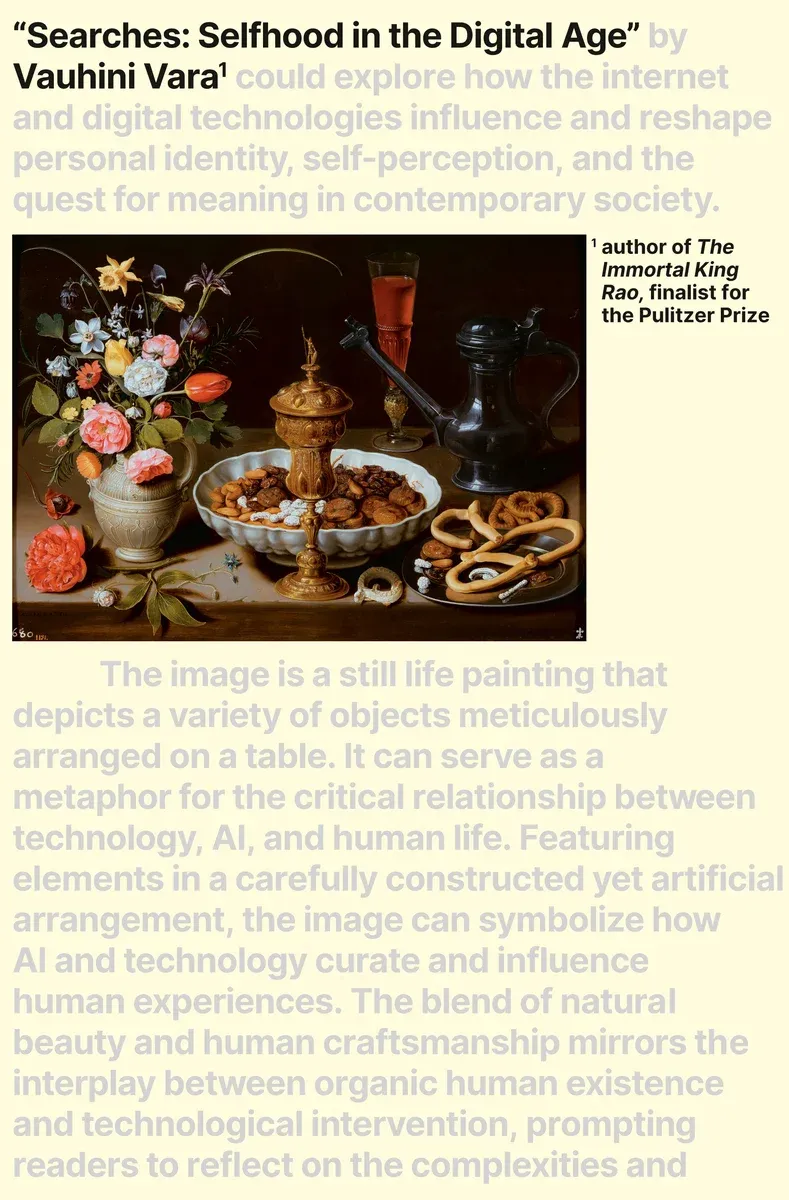
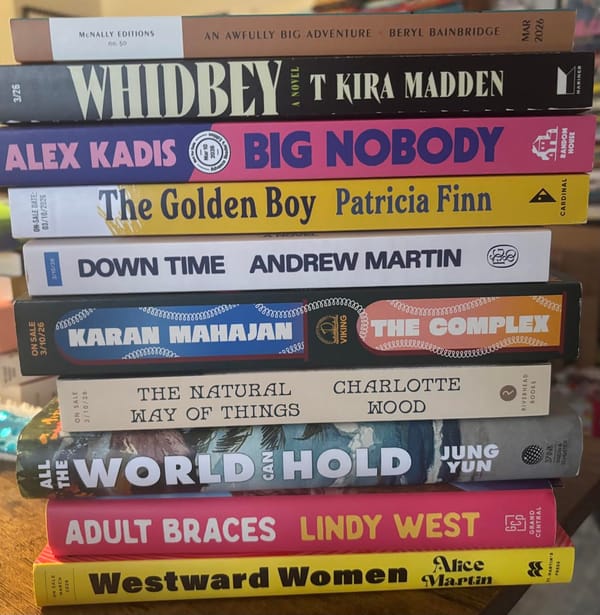
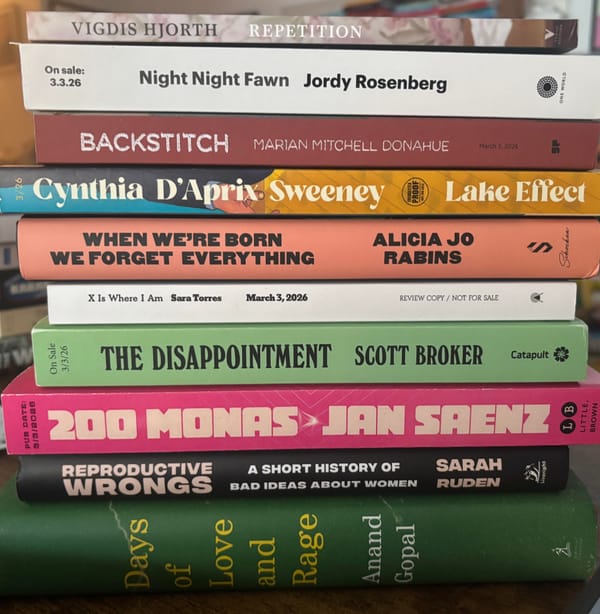
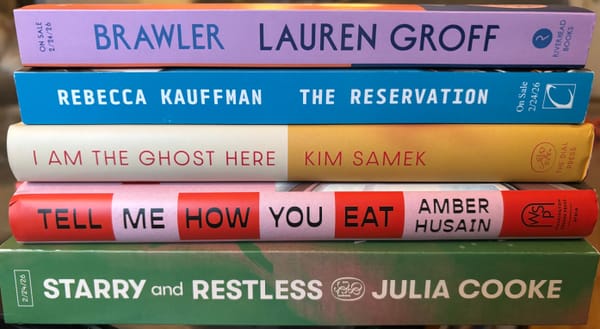
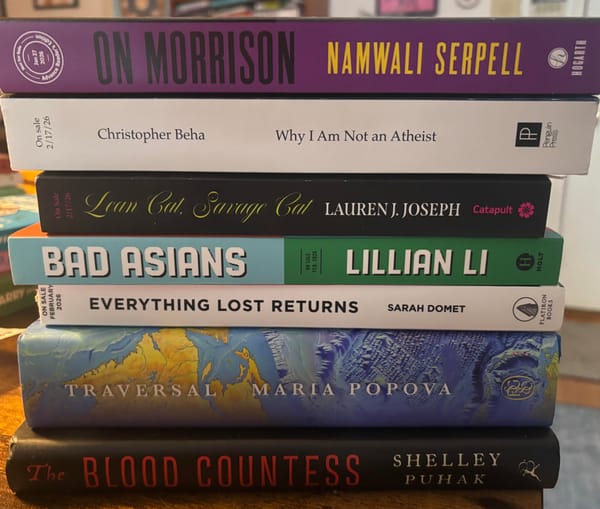
My best books of 2025 are up on Culture Studies, Anne Helen Petersen's excellent newsletter and Patreon. Yes, it’s paywalled, but yes, Annie was able to pay me fairly for my work in return. I’m really grateful for the opportunity to put my words in front of a community of avid readers. (I also gave you a hint with the image atop this post, of course.)
Most anticipated: debuts
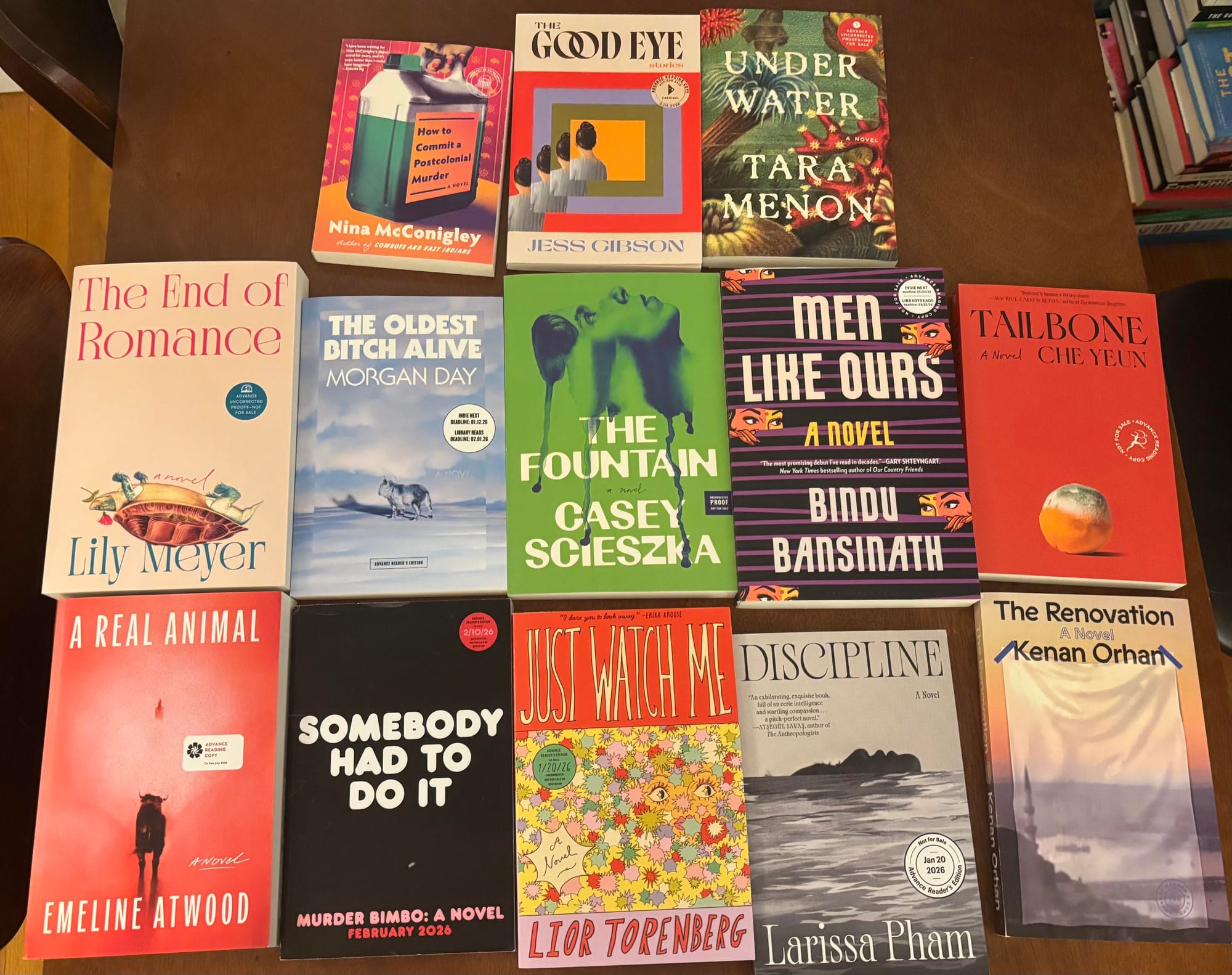
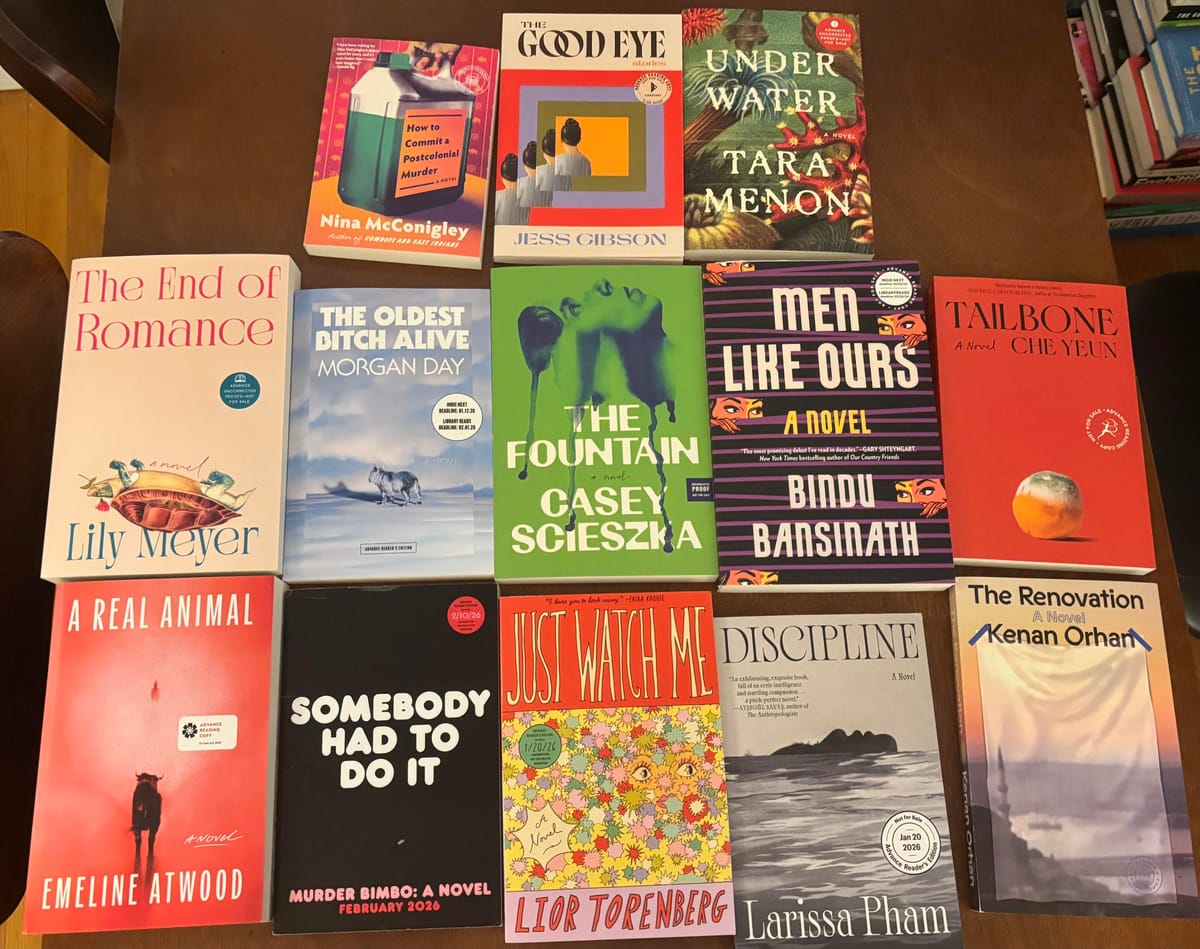
Once again, because December is so slow on new releases, I'm using this space to do some anticipating for 2026. I should have done this last week, but here are a crop of debut novels I'm looking forward to reading in 2026. Spines are a little less helpful when it comes conveying the vibe of books written by authors you may or may not be familiar with, so I figured I'd show you the covers. Please seek them out. They might not get as much coverage as the latest political memoir, but I promise they are better for your soul.
How to Commit a Postcolonial Murder by Nina McConigley
The Good Eye by Jess Gibson
Under Water by Tara Menon
The End of Romance by Lily Meyer
The Oldest Bitch Alive by Morgan Day
The Fountain by Casey Scieszka
Men Like Ours by Bindu Bansinath
Tailbone by Che Yeun
A Real Animal by Emmeline Atwood
Murder Bimbo by Rebecca Novack
Just Watch Me by Lior Torenberg
Discipline by Larissa Pham
The Renovation by Kenan Orhan