The Maris Review, vol 97

This week's theme is homecomings
What I read this week
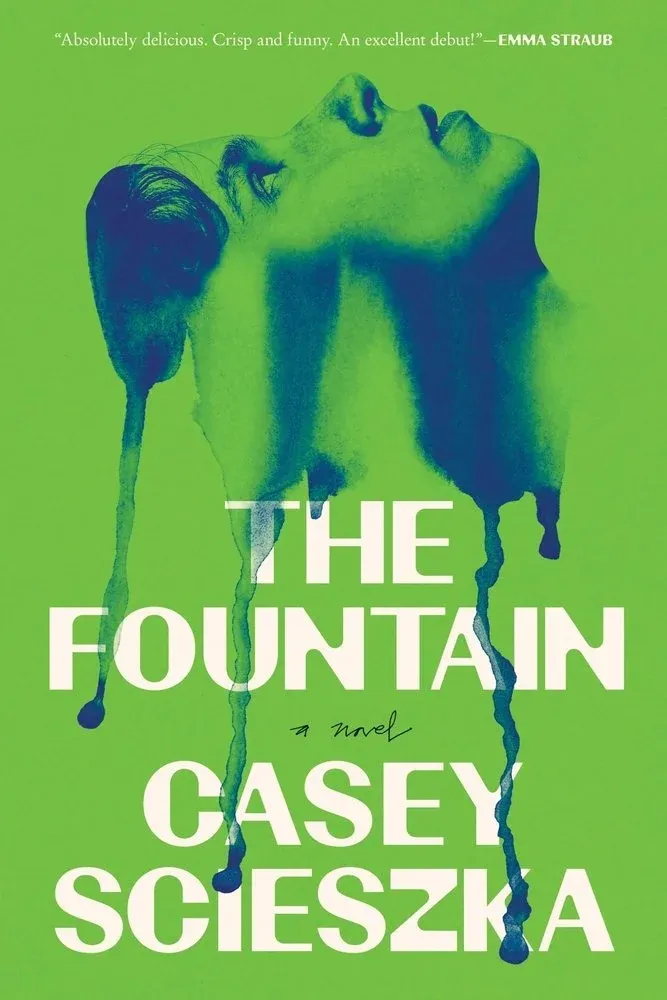
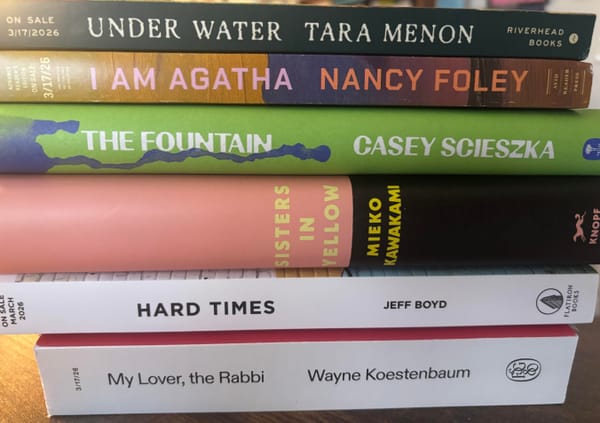
The Fountain by Casey Scieszka
For transparency: Casey is a member of my writing group. That said, she joined when this novel was pretty much in the bag so there is not much reflected glory that I can rightfully muster. But still, let me rave.
A vampire novel without the bloodsucking, The Fountain is a gorgeous and often funny meditation on immortality and its impracticalities.
Vera Van Valkenburgh is more than 200 years old but on the outside she's 26 eternally. After many lifetimes spent wandering, she returns to the place where she was born, a small town in the Catskills recently rediscovered by Brooklyn tourist types. Back at home she hopes to find the source of her immortality, with the hopes of reversing it. After having spent lifetimes outliving all of her loved ones, (except her brother Eli and her mother, who are also immortal) Vera is ready to die herself.
But it's not that simple. Is it ever? As Vera gets to know the people in town, she finds more and more to be invested in. And when a mysterious company starts buying up the real estate in town, Vera must figure out what the fuck is going on. (Side note: I am so glad I have my own newsletter and use "what the fuck is going on" whenever I want, instead of having to explain it further. This is freedom! It's great! Except I really do need an editor!)
The tricky part of writing a novel about an outsider (or outsiders) who become a part of a community – become crucial to it – is that you have to show the reader how. It can't be a montage of barbecues and game nights and apple picking (although I really hope there is a film version eventually). We've gotta meet all of the people and hear the conversations and learn everyone's quirks and habits. Casey does this beautifully. For a novel that has a fantastical premise, The Fountain is grounded by lovely depictions of everyday life.
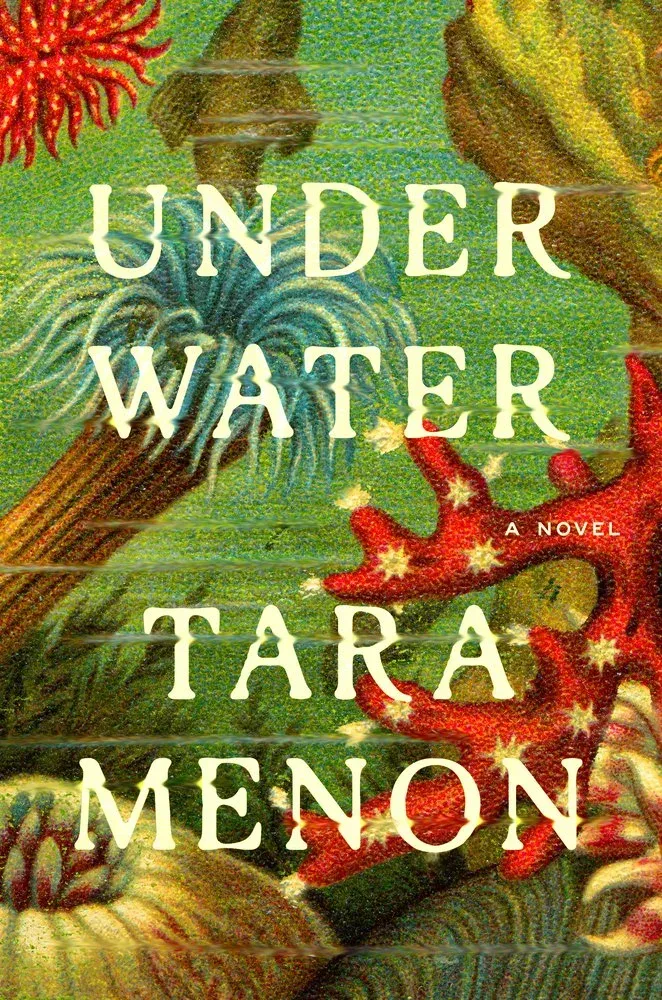
Under Water by Tara Menon
Reading this book is like being under sea water in the best way: everything is quiet, all of the other senses are activated, the potential for beauty is everywhere. That Tara Menon offers such rich details about sea creatures and land creatures in her debut novel means that the setting becomes the story long before the event that changes everything.
Under Water is the story of Marissa, a girl who travels across the world with her marine biologist father after the death of her mother. On a small island off Phuket, they join another scientist who studies the manta rays that occupy the waters nearby. But it's on the mainland, among the tourists, where Marissa meets her friendship soulmate, Arielle, daughter of the owners of one of the hotels on the beach. Together they create a whole world of diving and birdwatching and nature in general with spellbinding descriptions and also, eventually, some teenage mischief.
The book is told in two timelines: the days surrounding the tsunami that hit the Indian Ocean in 2004 and upended Marissa's life once again, and Marissa's days in and around Hurricane Irene in New York City in October of 2012. It's devastating to watch Marissa realize that the sea, her namesake (word origins are so important in this novel, and "Maris" means "of the sea" in Latin, for those who didn't know) can turn on her and everyone she loves so tragically. Meanwhile, in the later timeline, she struggles with grief for the friend who still talks to her regularly, and who still always has a pointed comment to make about whoever Marissa encounters. The absolute beauty of the book allows us to see Marissa through the uglier parts.
On AI in Traditionally Published Books
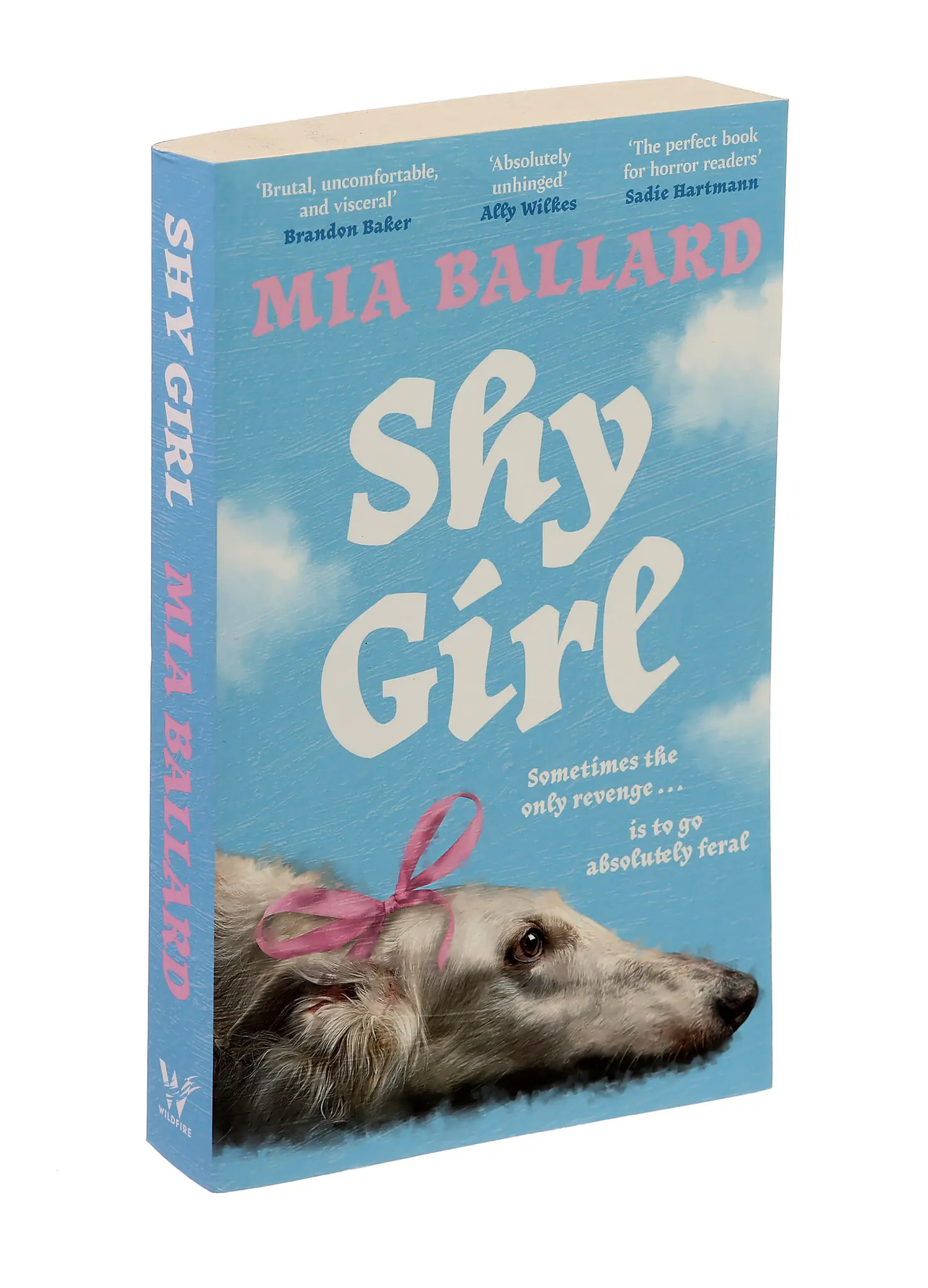
We've been waiting for this to happen and now it has. Alexandra Alter reported that Orbit Books/Hachette canceled a book deal when they learned that the author had used AI to write her novel, which she had originally self-published. The author denies using AI, but blames an editor who she hired to edit the self-pubbed version of Shy Girl who had introduced AI into the manuscript. I won't mention the author's name, because it seems that she has already suffered from harassment online.
Ever since Fifty Shades of Grey upended the way traditional publishers find new works (via the self-pub pipeline – if a self-published book finds moderate success, you can be sure a publisher will be looking to take it on), it feels as though publishers have spent very little effort repackaging the self-published books they find. Isn't being edited one of the very reasons why a self-published author might like to get a deal with a publisher? Much like when we found out that no one at any newspapers had looked at the summer activities insert that had been commissioned in both the Chicago Sun Times and the Philly Inquirer, it seems as though (very likely overworked and underpaid) editors and other publishing employees hadn't given Shy Girl more than a cursory once-over.
To be clear: this sucks. Those overworked and underpaid publishing employees did not sign up to be AI detectors and this is a terrible and unfair new aspect of the job. That said, it is indeed their job now to be the AI detectors, rather than outsourcing that work to readers.
Emily Hughes provides great insights, as always, as a reviewer who had looked at a galley of the novel and didn't clock it: "Honestly, I’m embarrassed that I didn’t clock the LLM presence in Shy Girl. But I didn’t go into the novel looking for a reason to dislike it, and I think that matters." It matters! I'm gonna go out on a limb and say that finding generous readers are what makes the whole book publishing enterprise worth it in the first place. We cannot allow such generous readers to become skeptical that authors and/or publishers are trying to trick them. They are the lifeblood of this business! We must protect them (us!) at all costs.
I have still yet to see one positive feature of AI that has made my life better, but the negatives are piling up: from job cutbacks and freelance budget slashes to the pure ability to simply relax and enjoy a book.
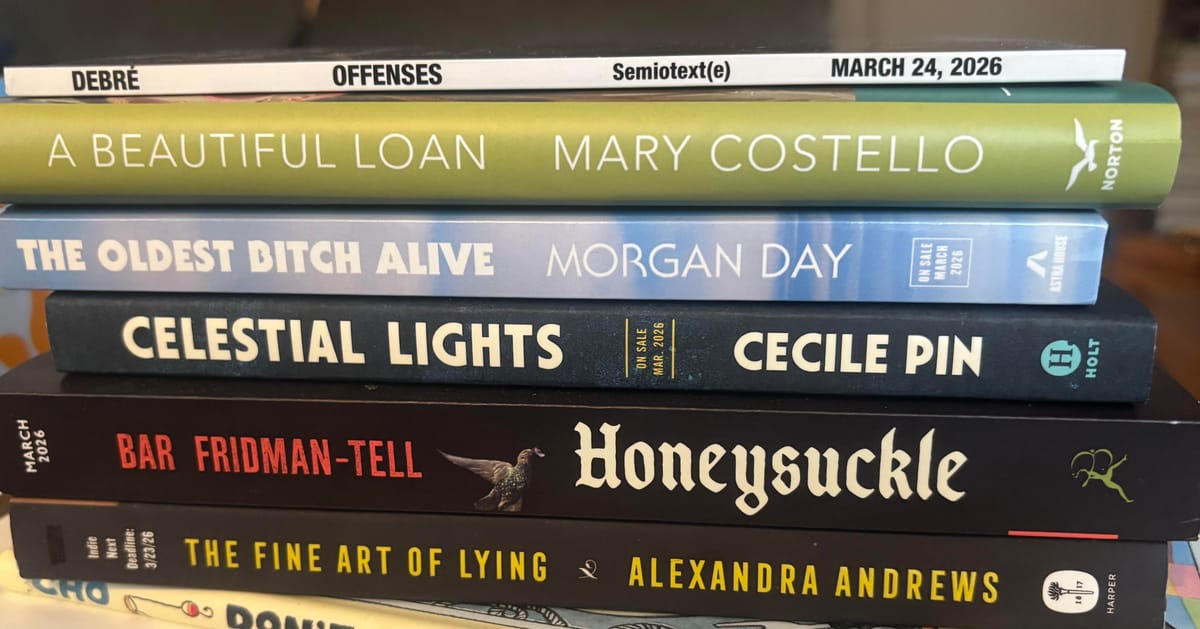
New releases, 3/24
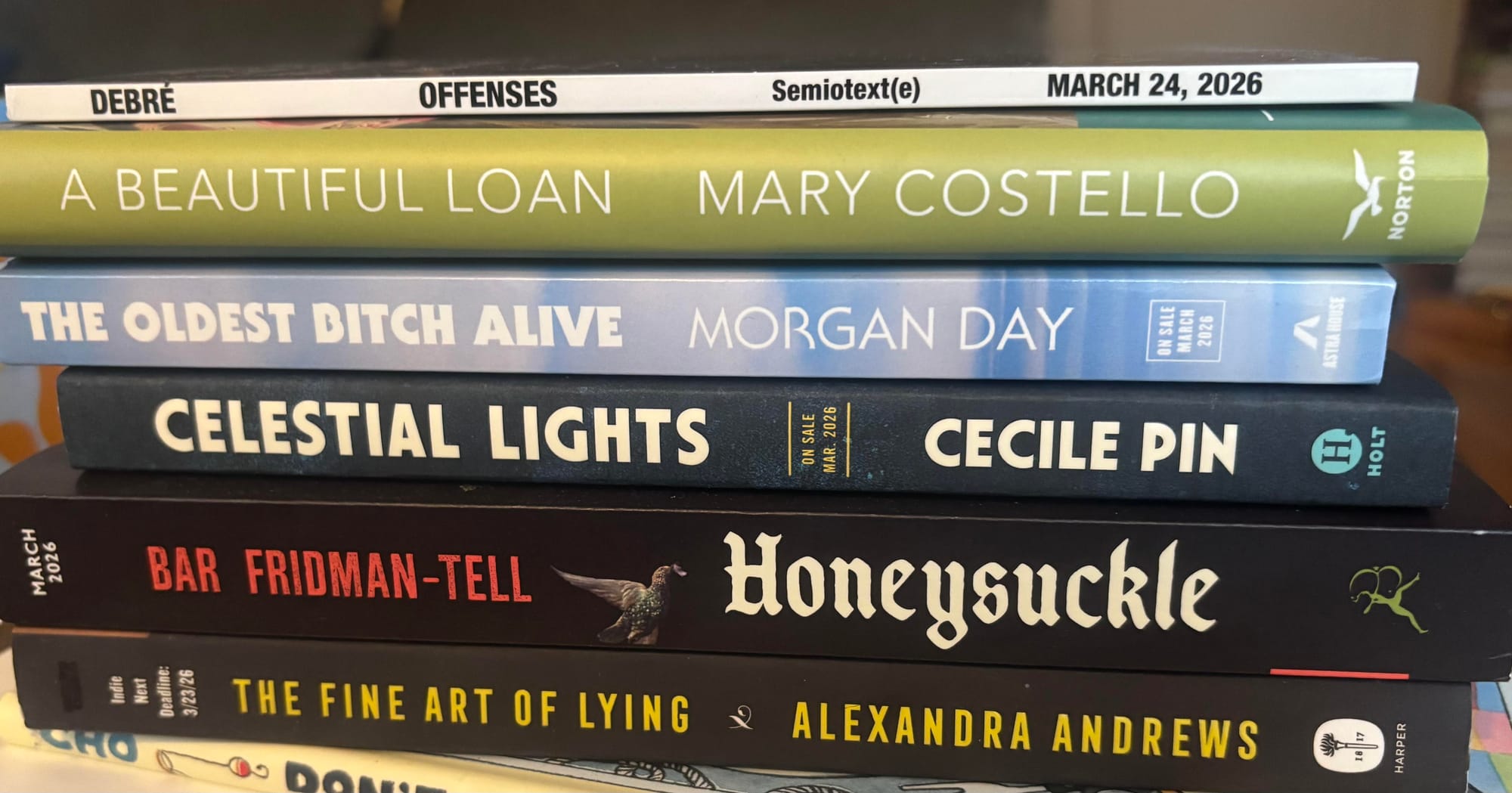
Offenses by Constance Debré, translated by Jeffrey Zuckerman
A Beautiful Loan by Mary Costello
The Oldest Bitch Alive by Morgan Day
Celestial Lights by Cecile Pin
Honeysuckle by Bar Fridman-Tell
The Fine Art of Lying by Alexandra Andrews
Python's Kiss: Stories by Louise Erdrich
Western Star: The Life of Larry McMurtry by David Streitfeld
Darkology: Blackface and the American Way of Entertainment by Rhae Lynn Barnes
The Beheading Game by Rebecca Lehmann
Wolf Worm by T. Kingfisher
Businessmen as Lovers by Rosemary Tonks