The Maris Review, vol 102

The theme this week is sequels you can enjoy even if you haven't read the previous novel.
What I read this week
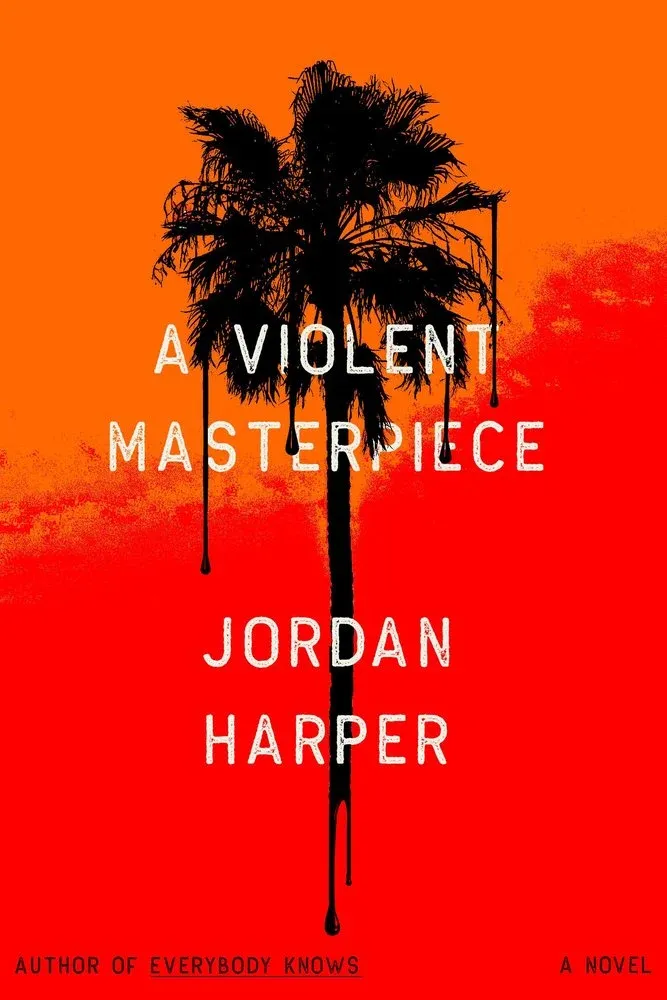
A Violent Masterpiece by Jordan Harper
My friend Sarah Weinman gave Jordan Harper's new novel a rave in the New York Times, calling A Violent Masterpiece just that: It "reads like pure rage cooled into crystalline prose, each sentence a thrilling indictment of the corruption we live in." I fully agree. This is a novel for the disillusioned, for those of us with class rage, for those who look around and cannot believe how blatantly the rich and powerful are fucking us all the time.
The action of A Violent Masterpiece starts where Jordan's previous (excellent) novel Everybody Knows left off. Hollywood power player Eric Algar has been arrested for sex crimes and is awaiting a bail hearing. Algar, for those who didn't read the last book (and I promise you don't have to in order to enjoy this one, but bonus points if you do), is a rich and entitled pedophile who carries the secrets of unknown numbers of the most powerful people on the planet, and in this novel he dies "by suicide" in his cell under protective custody. The video cameras were on the fritz, of course. Remind you of anyone? I picture Eric Algar as a moldy kind of amalgamation of Epstein + Lou Perlman.
Before his death Algar had retained a lawyer, but not the slick one he usually uses. He needs an outsider. Doug Gibson is a former public defender who's spent most of his career trying to protect vulnerable clients from getting lost in the justice system. In his words, Gibson is the knife that his clients bring to a gun fight, the most meager protection in an unfair fight. Gibson is at MacArthur Park when Algar dies, trying to help out a less fortunate client before the LAPD sweeps the park of the unhoused.
And that's really what A Violent Masterpiece is about: who gets villainized and must reckon with the law and who gets to do whatever depraved shit (warning: there is some depraved shit in here) they want to with zero repercussions. Wealth turns already bad people into hedonists and debauchers, and the ultra-rich are desperate for new ways to seek pleasure after they've tried literally everything else money can buy. They have secrets that they pay very dearly to protect, and are willing to part with a sacrificial lamb like Algar every once in a while in order to maintain their overall domination. Amidst this backdrop a serial killer known as the LA Ripper is on the loose...
The novel is told from three separate points of view: there's Gibson, who is determined to spill all of the secrets that Algar had been sitting on; along with Cara, a concierge to the ultra wealthy who will do (almost) anything to keep her clients happy; and Jake, a livestreamer who rides around LA with his police scanner on, taking his audience to the scenes of terrible crimes for the thrills. It's a feat of storytelling that each voice feels entirely authentic, and that the threads of their narratives come to intersect with such urgency. Every single page trembles.
At a point in history when the rich and evil appear to be winning the whole world, A Violent Masterpiece captures the depravity of the time and stresses how crucial it is that we fight back as well as we can.
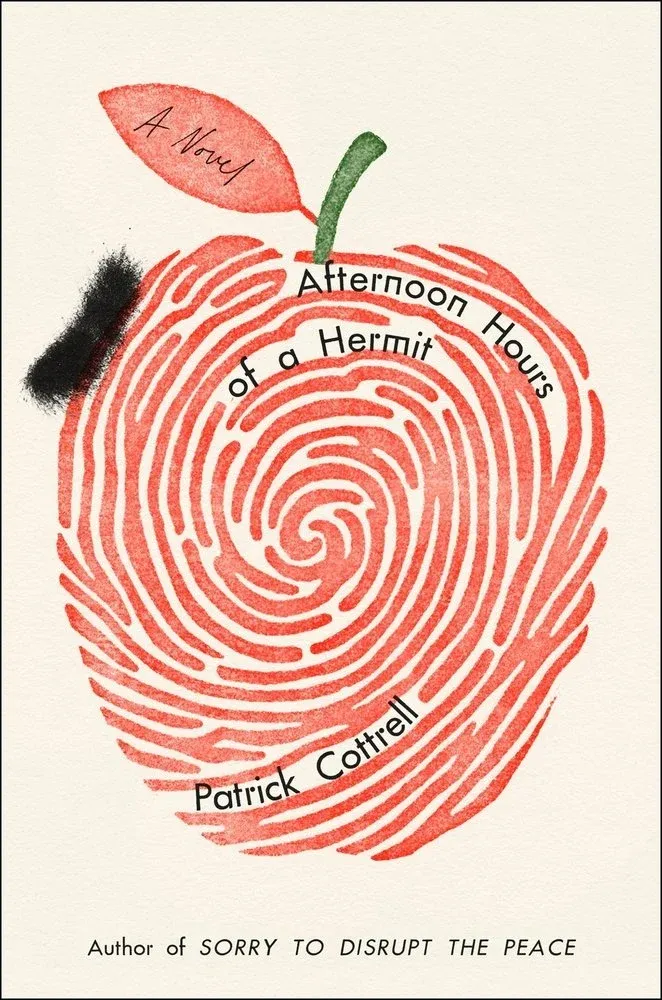
Afternoon Hours of a Hermit by Patrick Cottrell
I didn't realize that Patrick Cottrell's second novel was a sequel to his excellent first, Sorry to Disrupt the Peace, a weird and wonderful book about a young woman who becomes something of a bumbling detective as she investigates the cause of her youngest brother's death. But a sequel makes a lot of sense. Grief has no easy resolution; it's the kind of case that keeps opening and re-opening and is impossible to file neatly away. So on the fifth anniversary of the death, the narrator, now a published author, once again returns to their childhood home in the Milwaukee suburbs, where the three Moran children – all Korean adoptees but not related to each other – were raised in a less than happy household, in order to investigate the life of the brother who died by suicide.
But it's not the same story this time, not really. The narrator has transitioned since last we saw him; he goes by the name Dan Moran now (even though his family consistently deadnames him at any opportunity). The author of this novel, Patrick Cottrell, has transitioned since his last book was published, as well.
To blur fiction and reality even more, in the time since we last saw Dan he has also published a novel, also called Sorry to Disrupt the Peace, that takes place in the aftermath of his youngest brother's suicide. I was furious with myself for not being able to find my copy of Sorry to Disrupt the Peace because I wanted to see how my understanding of the story would change given this new context. At one point Dan asks, "Who did I think I was, to go over this story from years before, to rehash it, to tell it again?," but I'm so glad that both he and Patrick have made the choice to reexamine a story they had told before in light of all of the new information they have now. Even though the circumstances have changed, the tone of the book remains the same as the first – the prose is sad and funny and miscommunications abound – even as the loneliness radiates off of Dan's body.
Dan may have an unsolvable case on his hands, but it's still a pleasure to watch him revisit it and try.
This is the way!

You can sign on to a letter of support for the Hachette Workers Coalition right here.
Dumbass discourse on social media this week
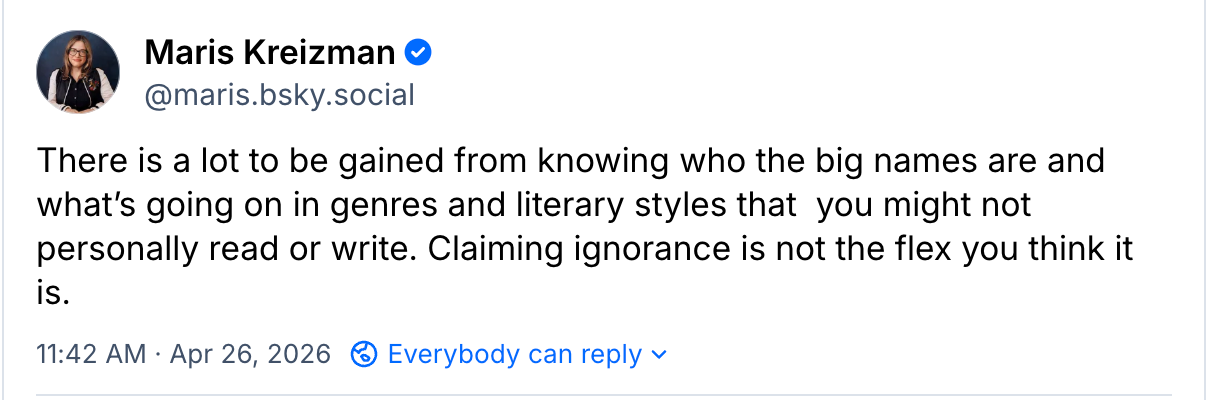
Snobbery is silly. Reverse snobbery is not good either.
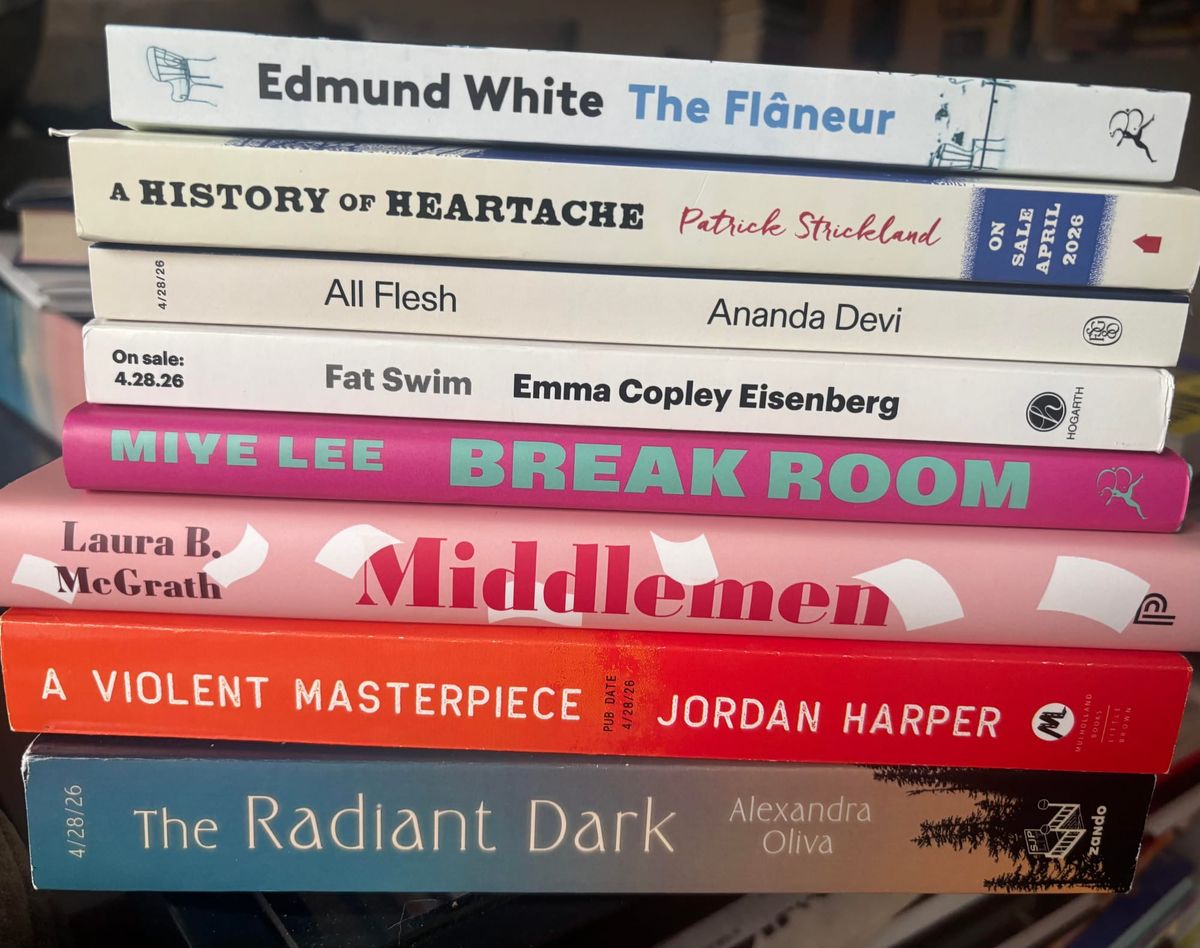
New releases, 4/28
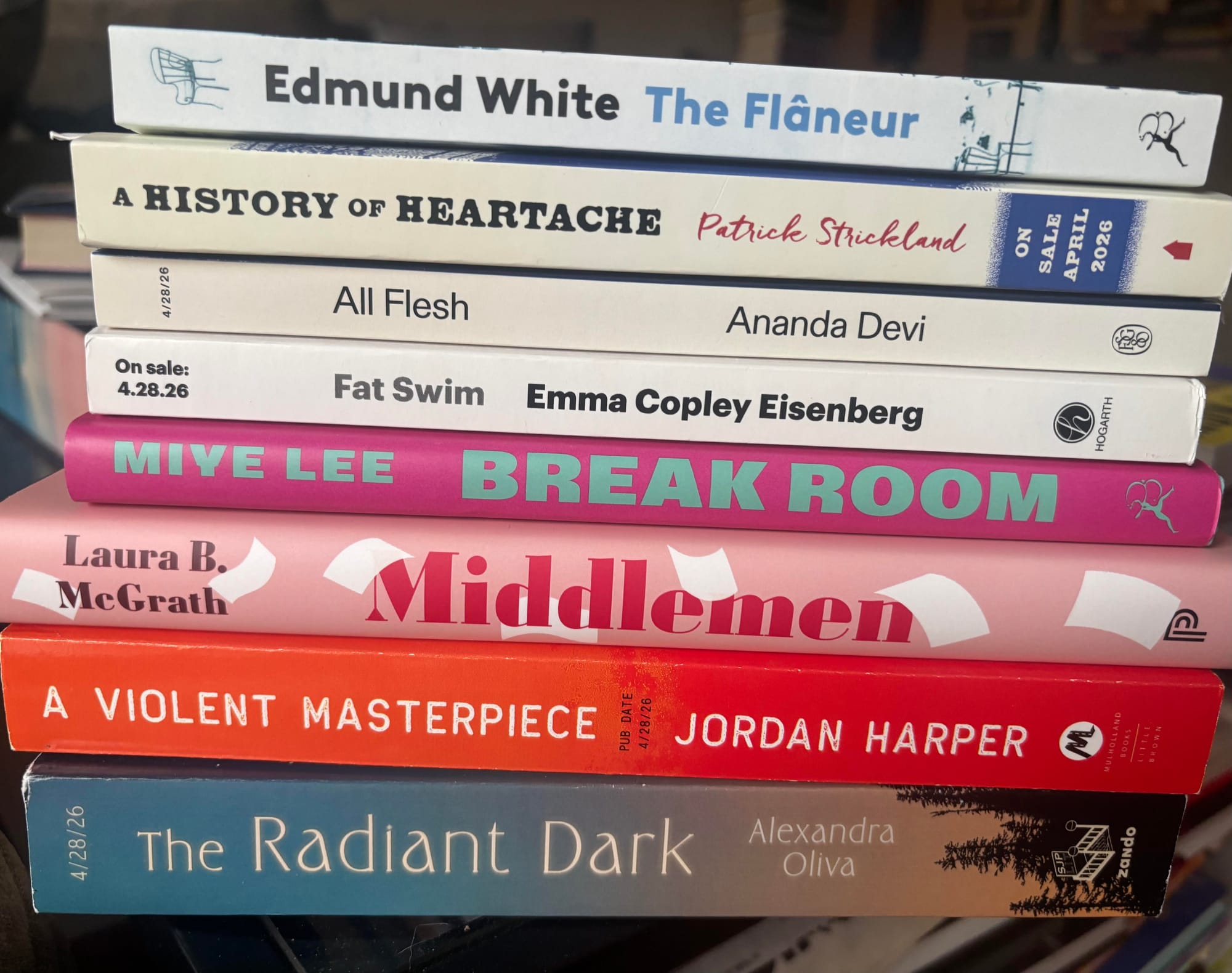
The Flâneur: A Stroll through the Paradoxes of Paris by Edmund White, intro by Alexander Chee
A History of Heartache by Patrick Strickland
All Flesh by Anand Devi, translated by Jeffrey Zuckerman
Fat Swim by Emma Copley Eisenberg
Break Room by Miye Lee
Middlemen: Literary Agents and the Making of American Fiction by Laura B. McGrath
A Violent Masterpiece by Jordan Harper
The Radiant Dark by Alexandra Oliva
The Original by Priya Parmar
Questions 27 & 28 by Karen Tei Yamashita
Ghost Town by Tom Perrotta
Dogs, Boys, and Other Things I've Cried About by Isabel Klee