The Maris Review, vol 105

This week's theme is somebody's watching you.
What I read this week
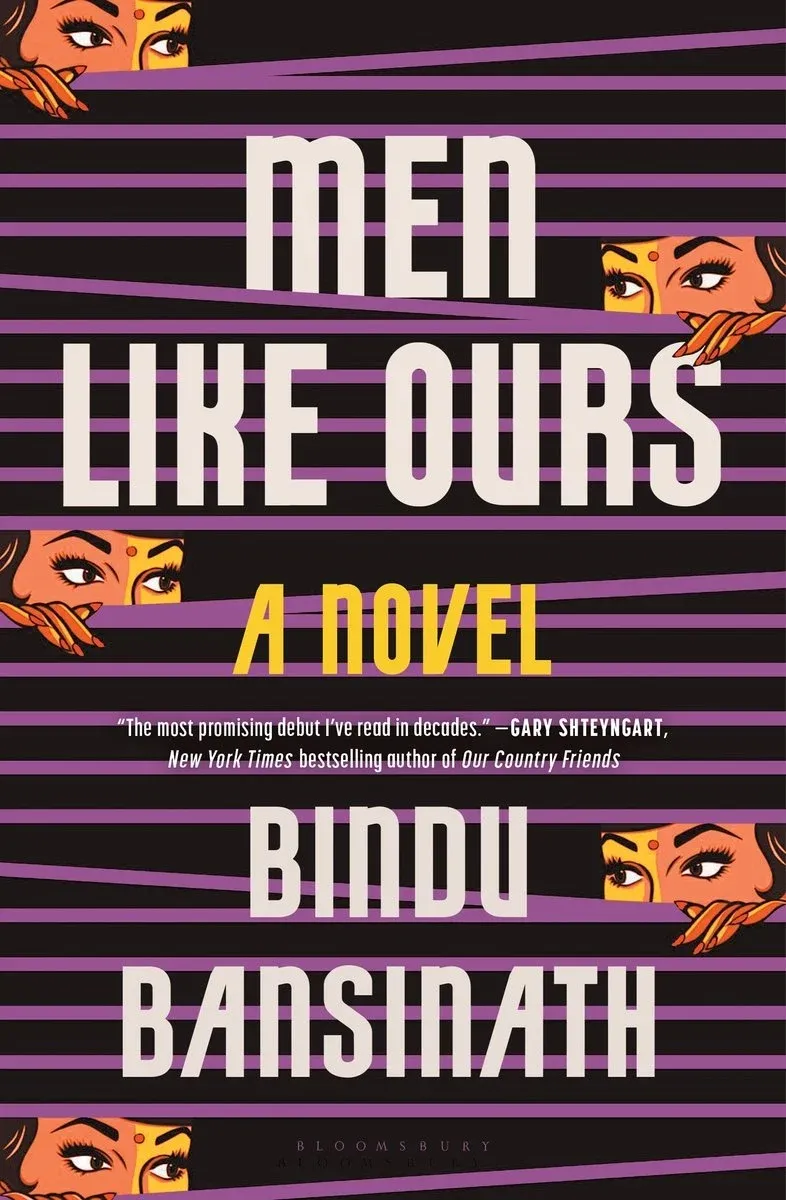
Men Like Ours by Bindu Bansinath
What a propulsive and assured debut novel! I know Bindu a little bit from her work at The Cut, and we've been to a few book publicity events together. I will always applaud when one of the people who covers books writes one that blows so many others out of the water. The dream.
Men Like Ours is a delight to read even though I should warn you that the tone of the book doesn't quite match the vibe of the book cover. It's more disturbing, more unsettled. This might be a me thing: Type 1 diabetes plays an important role in the novel, and it's a tough one. But suffice to say that what starts as a seemingly gossipy romp about a small community with a hint of a murder mystery, turns into something darker (yet still delightful).
The novel takes place in a New Jersey township about 30 minutes from where I grew up, where Indian immigrants and their children make up most the residents. At first it seems as though all of the women in the local WhatsApp group will get their own subplots (and they do all get to have great dialog), but as the novel continues the focus shifts to 15 year-old Leila Sharma and her mother, Anita. Anita, who had been an engineer in India, but who can't find a good job in America where Anita's mother had arranged a marriage for her with a middle aged man. Anita, who will never be worthy of a World's Greatest Mom mug, but who loves her pain in the ass daughter just the same. Anita, who is always just a bit removed from the ladies of the town who know everyone's business and have opinions about it all.
I've seen the novel get some Ottessa Moshfegh comparisons, but for all its darkness Bindu's love for her characters shines through. There is an undeniable warmth here, and the book is better for it.
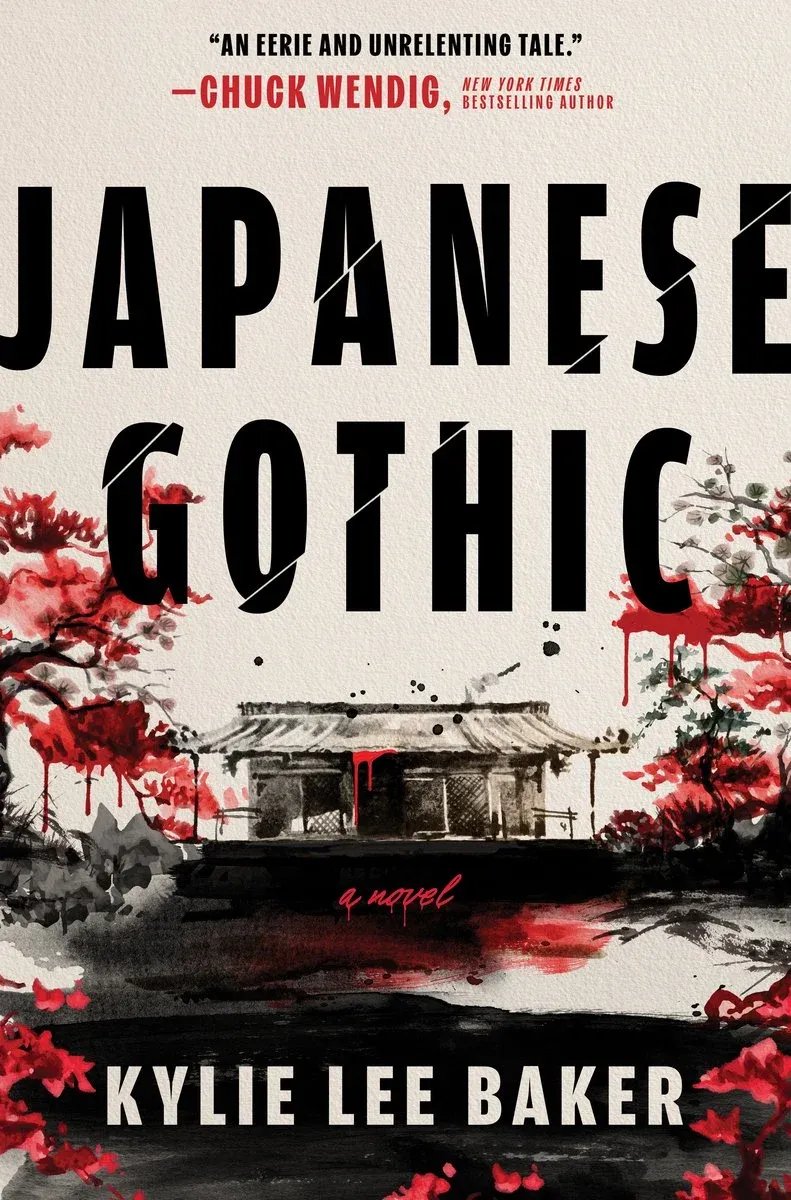
Japanese Gothic by Kylie Lee Baker
Okay, but yeah, this horror novel is just as disturbing as its cover would lead you to believe. Next week I need to read a cozy or something. Japanese Gothic is the story of Lee, an NYU student from New Jersey who kills his roommate and then flees to Japan to spend time with his father. Lee joins his father and his father's girlfriend in a house hidden by vegetation where the ceilings are low.
In that very same house back in 1877 lived a girl named Sen, the eldest, honor-bound daughter of the last samurai. Sen's father has taught her to be a fighter despite of her sex, and Sen lives to please him. There's a huge dissonance between what Sen initially tells us about the father she adores, and then what we come to learn. It's not pretty.
Lee and Sen have more in common than just a house, and by interweaving Japanese mythology with two storylines 150 years apart, Kylie Lee Baker creates a world in which the two can start interacting with each other. We love a ghost story. There are moments when Lee and Sen are really sweet together, and then there are times when we learn what organs and guts look and sound like when they are expelled from bodies. This book contains multitudes.
I coined a term
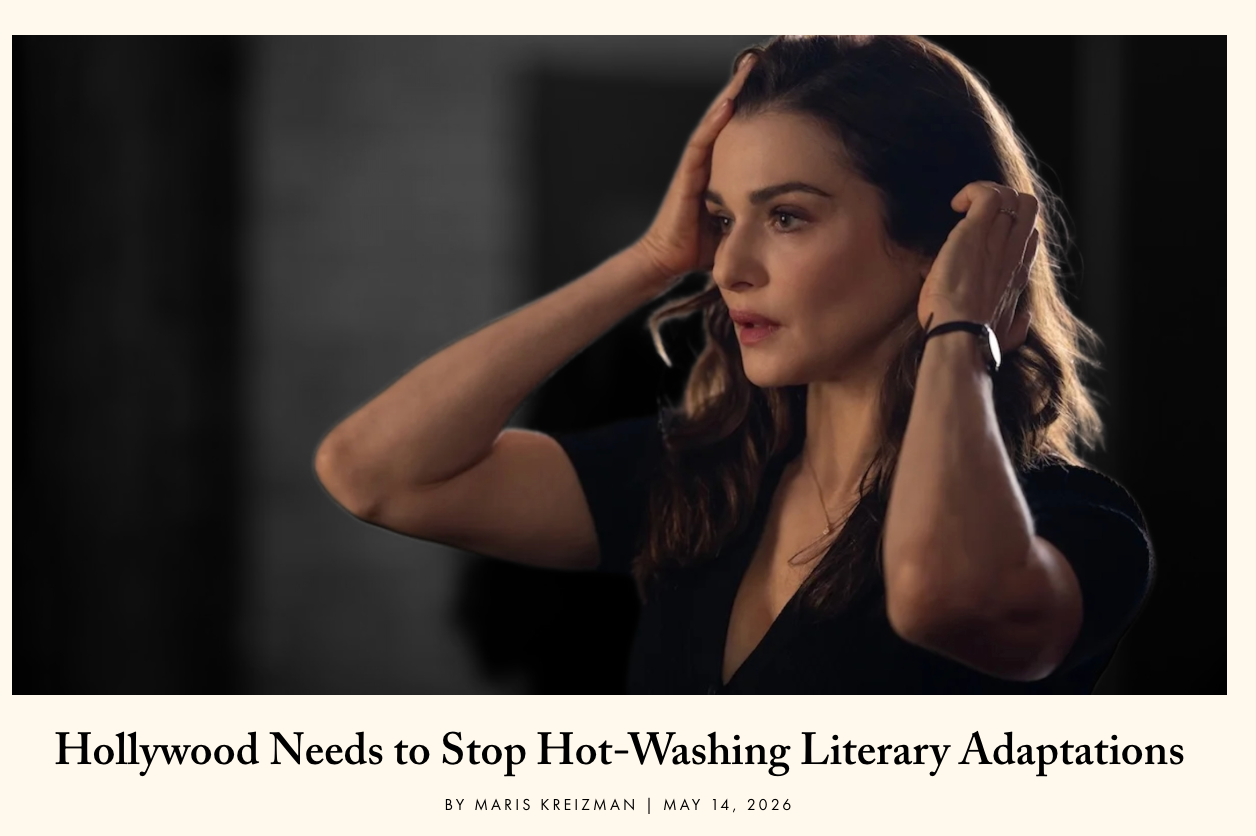
Read about hot-washing here.
On that Guardian list
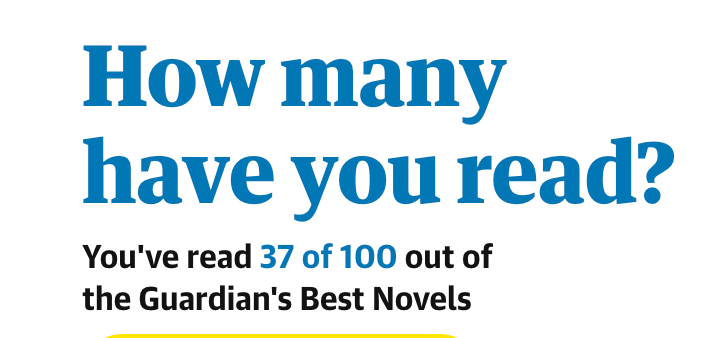
A clickbait book list, in these dark times, is a small joy that I very much appreciate. The Guardian's Best 100 Novels served its purpose. It got people talking about books – great books – and it even gamified the reading experience, a thing that everyone always loves.
But seriously, it was also a reminder of our collective blind spots, and mine, in particular. I do not read enough literature in translation, particularly "classics" rather than current day releases. I, like many Americans, was taught the literary canon, which focused heavily on white people, and white British people in particular. I will never ever regret taking the 19th Century British Novel in college – it was where I read some bona fide masterpieces including Middlemarch, Bleak House, and Mansfield Park. But I'm missing so many other perspectives.
I contributed to both NY Magazine's and The NYT Book Review's lists of the Best Novels of the 21st Century So Far, so I have some idea about how these lists work. I even wrote about my process for choosing books when the NYT list came out. When you ask a group of (mostly British) writers and/or readers for their Top 10, they're not thinking about what the overall list will be and whether or not that list will be diverse in a multitude of ways. Here's a free idea for a book section: make a list of best novels that doesn't include Americans or Brits. What would that look like?
I won't do a list of the books that I feel were left out, but here's what I will do. After contributing to two lists on the 21st century canon, I've come to realize which titles have stood the test of time. Here they are:
Best Novels of the 21st Century So Far
All My Puny Sorrows by Miriam Toews
The Sellout by Paul Beatty
The Trees by Percival Everett
Enter Ghost by Isabella Hammad
Fingersmith by Sarah Waters
Homegoing by Yaa Gyasi
Open City by Teju Cole
Eat the Document by Dana Spiotta
When We Cease To Understand the World by Benjamin Labatut
The Days of Abandonment by Elena Ferrante
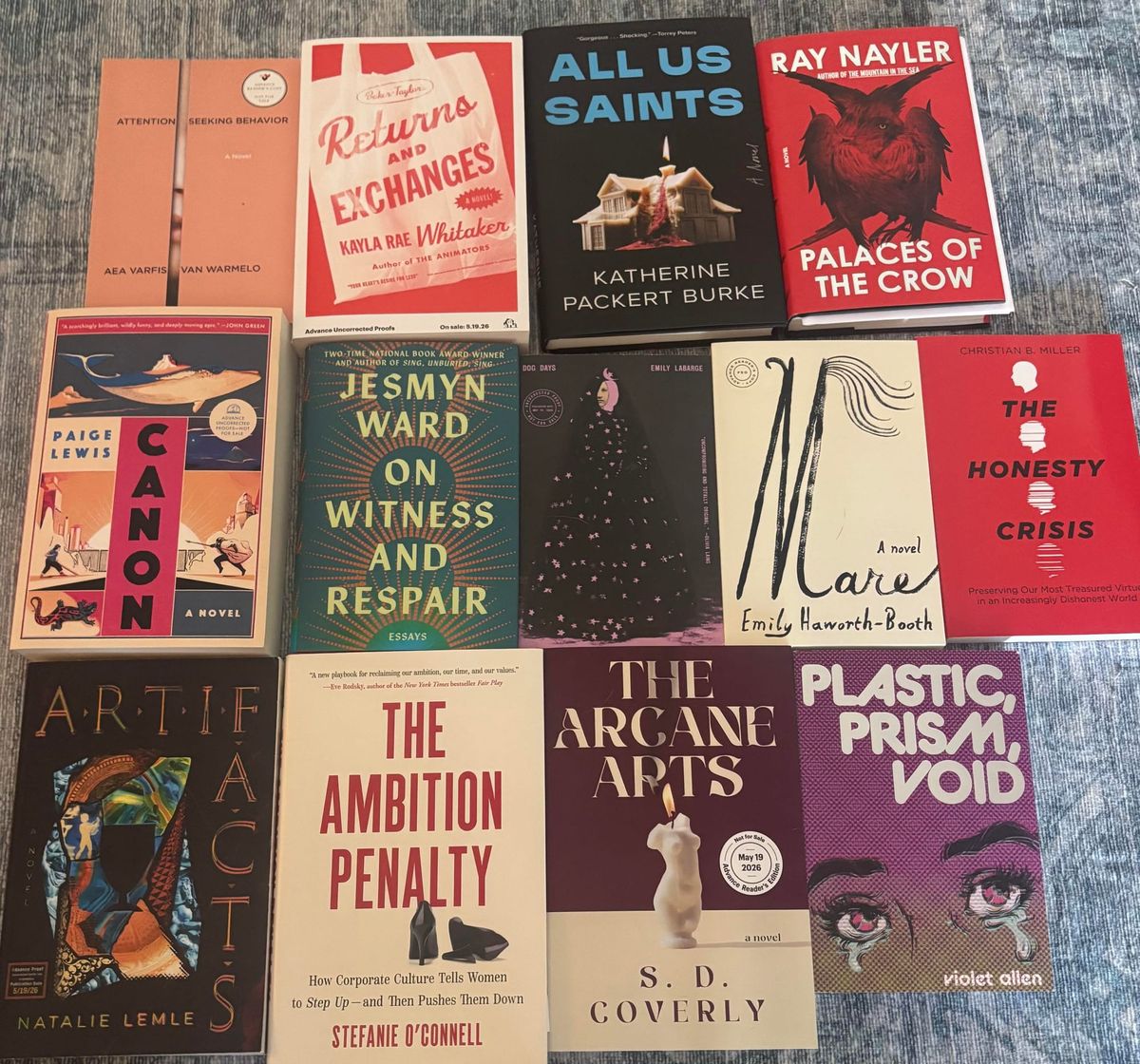
New releases, 5/19
Another bonkers day!
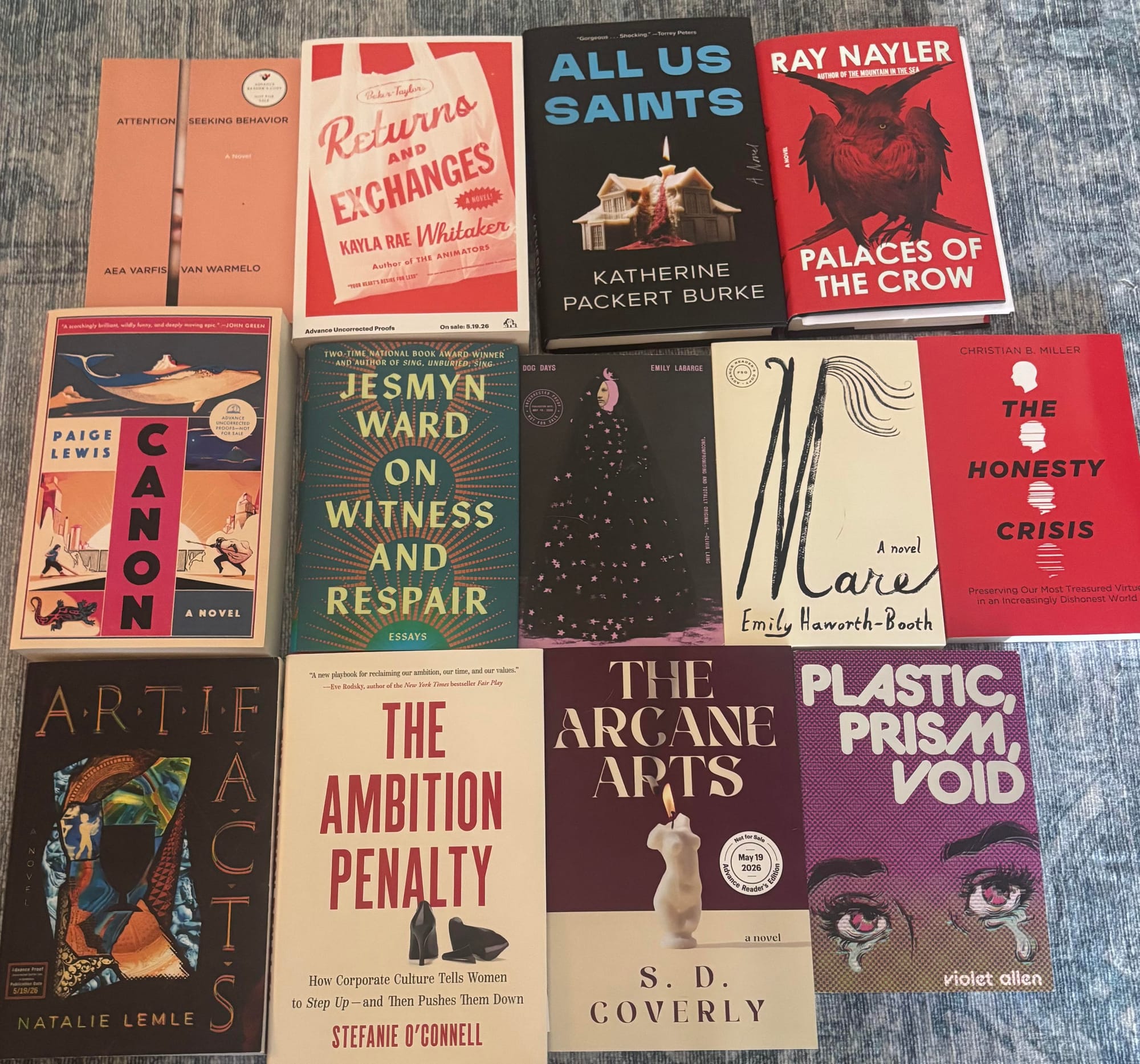
Attention Seeking Behavior by Aea Varfis-van Warmelo
Returns and Exchanges by Kayla Rae Whitaker
All Us Saints by Katherine Packert Burke
Palaces of the Crow by Ray Nayler
On Witness and Repair: Essays by Jesmyn Ward
Dog Days by Emily LaBarge
Mare by Emily Haworth-Booth
The Honesty Crisis: Preserving Our Most Treasured Virtue in an Increasingly Dishonest World by Christian B. Miller
Artifacts by Natalie Lemle
The Ambition Penalty: How Corporate Culture Tells Women to Step Up--And Then Pushes Them Down by Stefanie O'Connell
The Arcane Arts by S.D. Coverly
Plastic, Prism, Void by Violet Allen
The Overseer Class: A Manifesto by Steven W. Thrasher
if you're around tonight come see Steven launch his book at The Strand! That's where I'll be.
Glyph by Ali Smith
A Perfect Hand by Ayelet Waldman
Dangerous, Dirty, Violent, and Young: A Fugitive Family in the Revolutionary Underground by Zayd Ayers Dohrn
Crime Fictions: How Racist Lies Built a System of Mass Wrongful Conviction by Nicole Gonzalez Van Cleve