The Maris Review, vol 116
The theme of the week is how AI is making the world (more) stupid
What I read this week
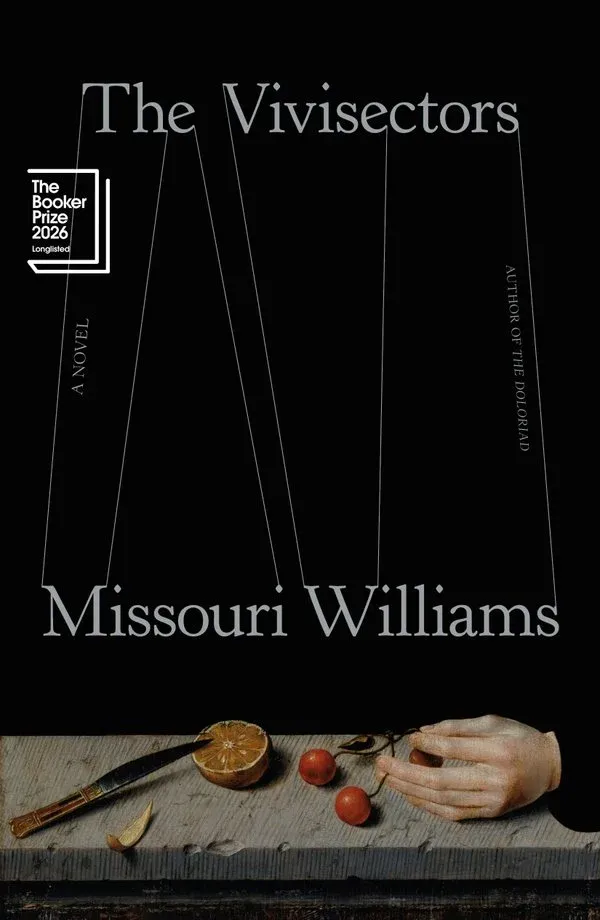
The Vivisectors by Missouri Williams
What to do with this frustrating, brilliant novel! I almost wanted to take a week longer to think about it before I wrote about it, but this newsletter waits for no one.
There was a bunch in Missouri Williams' second novel that bewildered me, more than a bit that I couldn't quite make sense of. There are stories within stories and descriptions of dreams and philosophical conversations between unnamed people that interrupt the narrative (if you can call it that). I felt lost, and I hate feeling lost. But I also underlined so many sentences and phrases, both for what they said and the way they said it. There is no doubt that the ideas in this book activated my brain in a pleasing way. As someone in a Goodreads review said of The Vivisectors, "it's so fun because you actually get to think while reading."
The Vivisectors takes place in an unspecified city at an unspecified university, both of which have seen better days. In this world where natural abundance threatens to turn to rot, gardeners must attempt to keep the outrageous growth at bay. What do the gardeners symbolize? Eh, not worth getting into.
In this world we meet our heroine, who about 100 pages in, we learn is named Agathe. Agathe insists that she is blank, that she has no feelings or opinions, that she doesn't have much to say, that she's neutral. She works for a professor at the university, but just because the novel takes place at a university does not mean it's dark academia! It's not! It's also not about cancel culture, although there is a prominent subplot.
What is it about? In my mind it's about the emptiness and isolation we feel in our phone-obsessed, bullet point-hungry, art and literature-hating world. "Nobody could come up with a plot, or a sequence of actions, that might culminate in a decisive end because our way of interacting with our surroundings was too fragmented: it took place in snatches. Narrative had moved somewhere beyond our reach. We were always looking elsewhere." Our attention spans are shot to hell, so why would we possibly expect a novel with a linear narrative that gets directly to the point?
In the end I tried to treat The Vivisectors like poetry rather than a text to decode. I let the feelings wash over me rather than trying to diagram out which metaphor corresponds to which real thing. I say I like to sit with ambiguity but this one really made me uncomfortable. And isn't that wonderful? What I'm left with is something about human connection, something about the life-affirming power of curiosity, something about the magic of having faith in a cynical world.
I'm only writing about one book this week, partly because the one took up so much mental space, but also because I have a rant to do...
Fuck your metadata: a rant
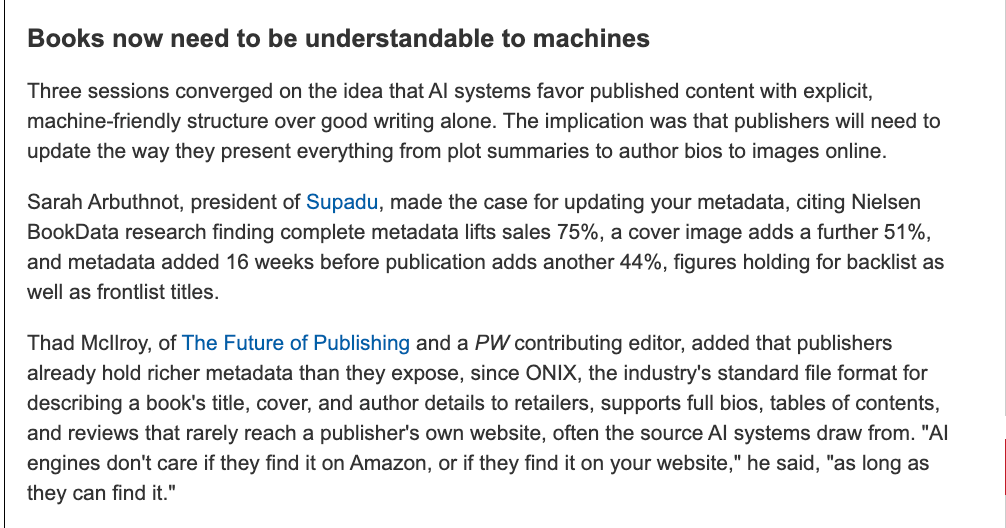
There is endless talk these days about how publishers can use AI to help them on the back end side of things. Every damn publisher wants to talk about how they can make AI work for them, how this wonderful and exciting new technology can revolutionize how they do business and like, make their metadata cleaner or something.
Meanwhile, this past week two separate authors at two Big Five publishers were accused of using AI to write their books. These accusations, and the ones that have come before, indicate how much of a shit show we're walking into. AI in books is bad, I think we can all agree. But what do about it is a mystery. There is no way to definitively prove whether an author has used AI, especially if they insist they have not. And as gen AI gets more advanced it's also increasingly difficult for human readers to determine which is which. This is an existential problem. THIS IS AN EXISTENTIAL PROBLEM!
We have no fool-proof methods to investigate whether an AI accusation holds weight or not. It feels unwise, at best, to rely solely on AI detectors that themselves use AI to spot AI. As I've written before, AI detection in publishing has become a labor problem. Publishing workers are already overwhelmed with a zillion tasks before we start to put the burden of determining which writing is authentic on them. So what do we do? I'm not sure, and that is terrifying.
But here's what we shouldn't do: rush to judgment, especially when we look at which groups of authors have received the most accusations. I know absolutely nothing about stats and probabilities, but it seems highly, highly unlikely that Black authors are using AI and lying about it at such a higher rate than other authors.
As Jerry Falade, a Black author whose $2 million book deal was just canceled, said: "Three Black authors received major publishing deals this year, and all three later had deals cancelled or disrupted following suspicions about AI. There seems to be a troubling assumption that when a Black writer produces work that attracts significant attention, the work could not possibly be their own. Meanwhile, there are popular white writers who have publicly mentioned using AI for their writing processes and they’re still doing fine.” This is not okay.
Let's take a step back: AI derails readers' trust in authors and makes publishers' jobs much, much more difficult. AI accusations can ruin careers, and there are clearly inherent biases in the way the industry deals with such accusations.
So can AI make metadata management easier? I DON'T FUCKING CARE. It's ruining lives. It's ruining our industry. It's ruining what we love about books. GTFO with your metadata.
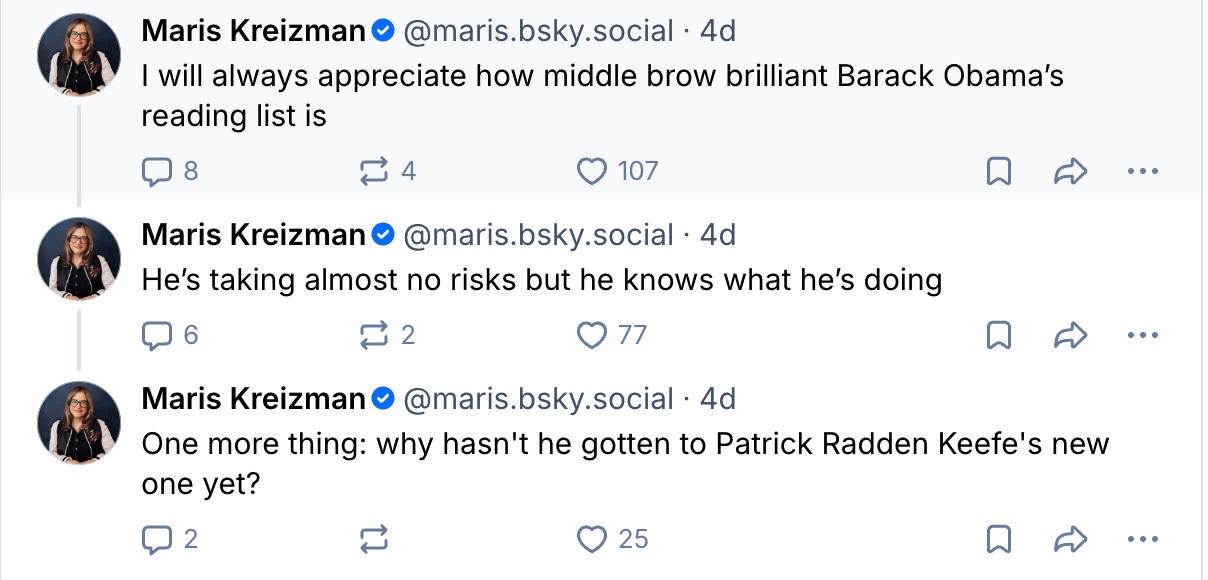
On our former Reader-in-Chief:
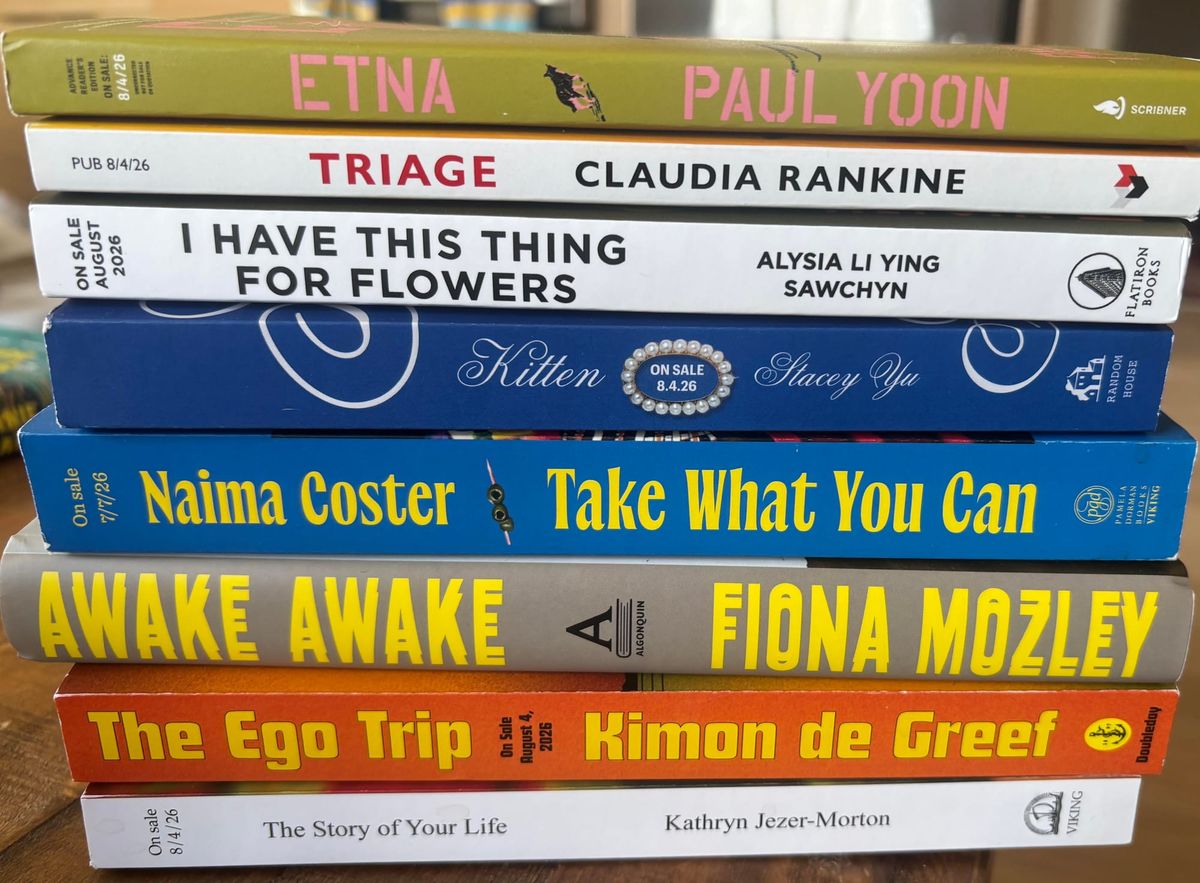
New releases, 8/4
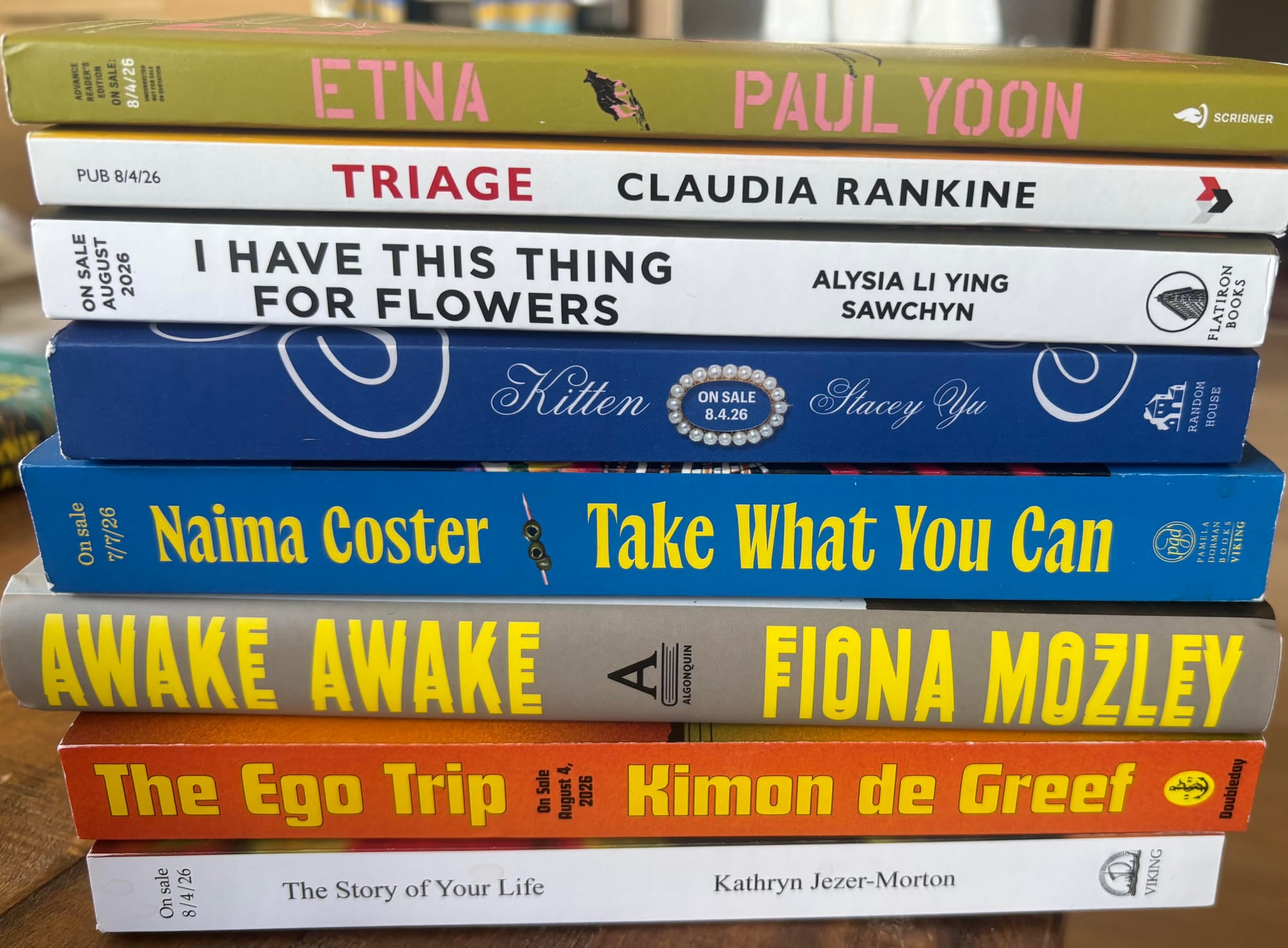
Etna by Paul Yoon
Triage by Claudia Rankine
I Have This Thing for Flowers: Essays on the Roots of Relationships by Alysia Li Ying Sawchyn
Kitten by Stacy Yu
Take What You Can by Naima Coster
Awake Awake by Fiona Mozley
The Ego Trip: Psychedelic Toads, a Trail of Deaths, and the Guru Who Peddled Transcendence by Kimon de Greef
The Story of Your Life: How Social Media Shapes the Way We Experience Everything by Kathryn Jezer-Morton
Don't Be Evil: Bad Bosses, Fake Promises, and My Escape from Big Tech by Claire Stapleton
Meet Me in the Garden by Nina LaCour
A Trade of Blood by Robert Jackson Bennett
Plant Lady by Minyoung Kang, translated by Shanna Tan
All That Is Left of Life by Roberta Recchia, translated by Antonella Lettieri
Sex and Dissent: Stories of Feminist Resistance in Argentina, Chile, Mexico, and Spain by Meghan Beatley
The Nightingales by Emil Wilson
Burnside by Devyn Defoe
It Starts With Anger: A Punk Beginning. An AFROPUNK Ending. by James Spooner
Whyteface by A. Igoni Barrett
The People's Historian: The Outsized Life of Howard Zinn by Dave Zirin
Queen Mab by Emily McBride