The Maris Review, vol 124
The theme of the week is how information about famous people is disseminated and interpreted
What I read this week
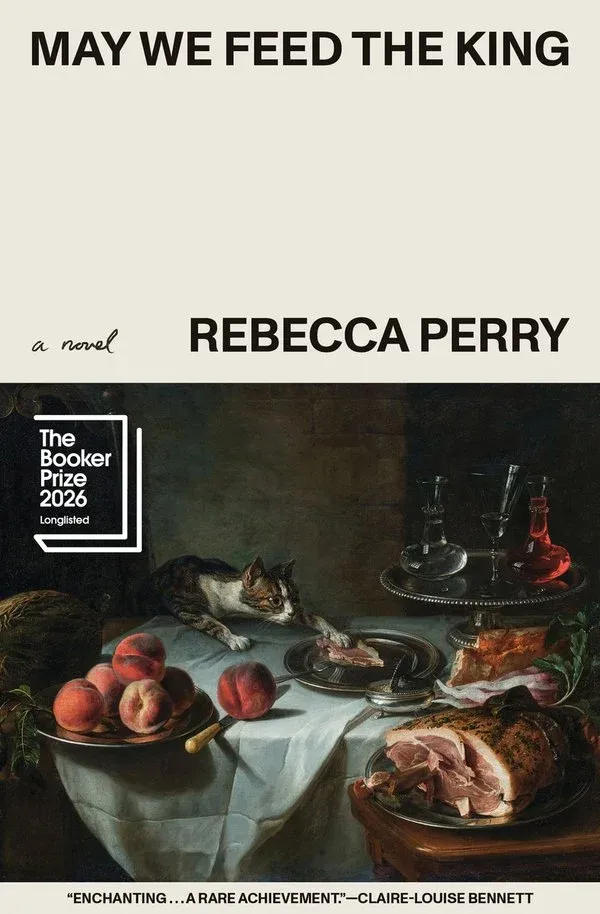
May We Feed the King by Rebecca Perry
It is so rare to read a modern novel that depicts a character who loves their job. But that's who the narrator of Rebecca Perry's debut novel is: a curator whose devotion to her work is all-consuming: they put their whole body into their work, they dream about it. When they're brought in to arrange an exhibit at a medieval palace turned historical house and occasional movie set, the curator must figure out how to make each room feel alive. She does so by choosing one former occupant of the space: a reluctant king who takes the throne after the untimely deaths of his two older brothers. A king who enjoys snuggling his cat and the thought of gardening more than he care for any of his royal duties.
We don't get to know much about the curator beyond their passion for getting all of the details right for historical recreations. We also know that something very difficult that happened in their past – there's an empty space at their kitchen table where once someone sat. The reader is left to fill in the details, just as the curator is meant to create an entire story out of a few entries in the historical records. And so they do, and we do: the entire middle of the novel is devoted to the story of the king and all of the things he might have done and might have said and might have eaten.
May We Feed the King is a feat of meta storytelling that questions everything about how history is transmitted, and whose version of it gets put into the record. We watch the curator settle on a version of the king's short reign to put it on display, all while knowing how mutable the past is.
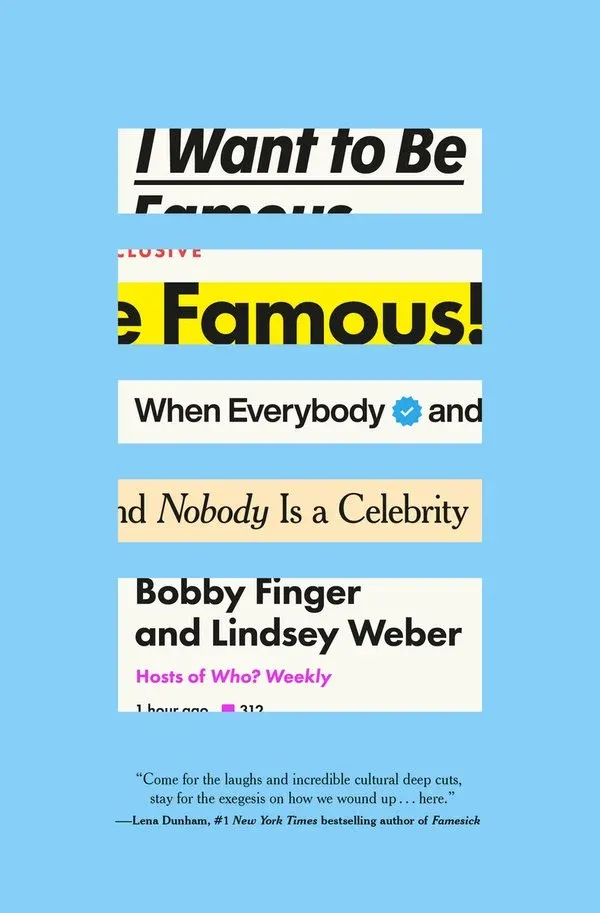
I Want to Be Famous: When Everybody and Nobody Is a Celebrity by Bobby Finger and Lindsey Weber
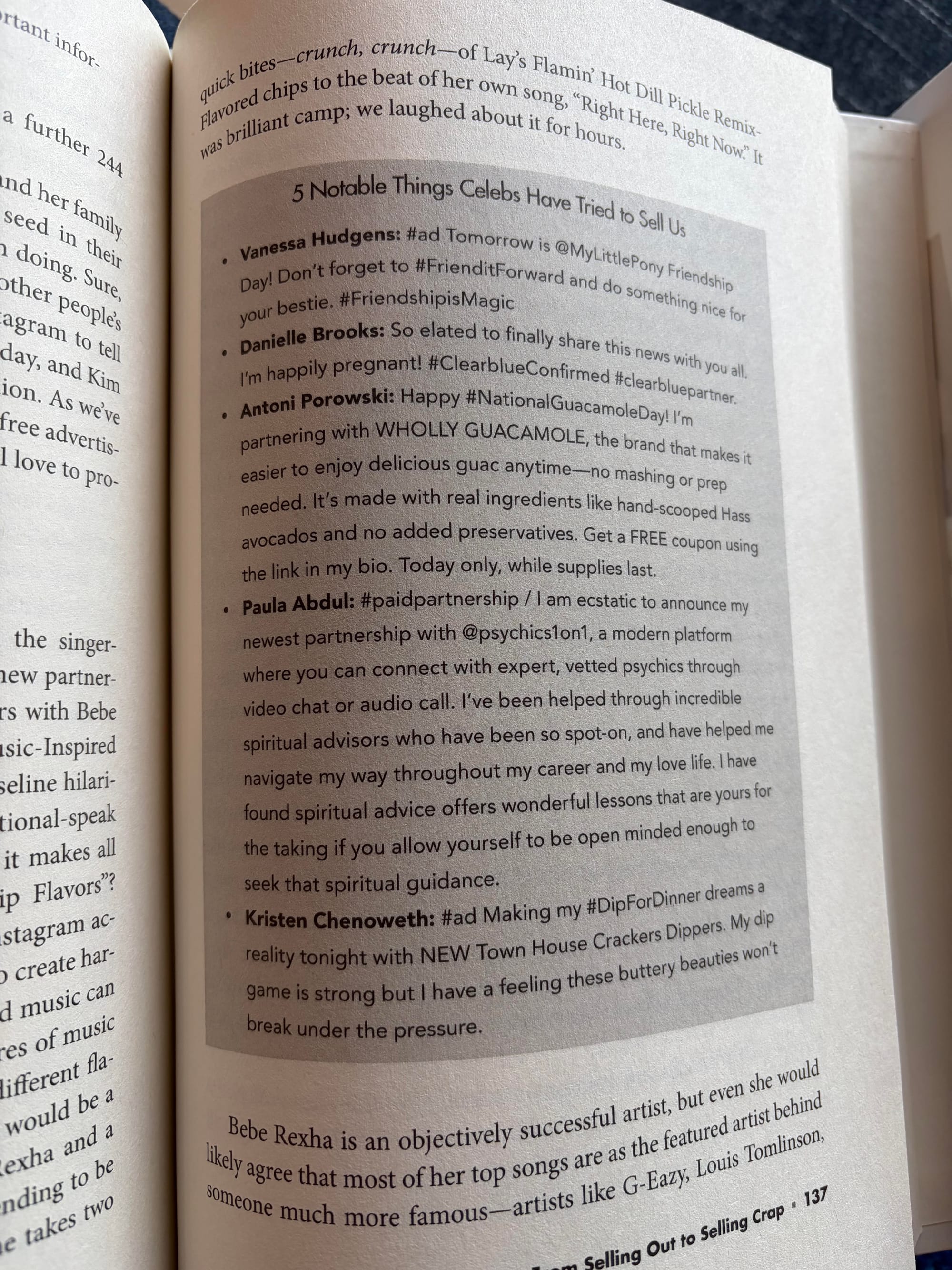
You're gonna want to listen to the audio version of this one, especially if you're a Who? Weekly fan. The audiobook is a brilliant 6.5 hours in which Lindsey and Bobby trade lines and make jokes in a way that makes nonfiction prose sound like an actual conversation, or at least the work of a very experienced comedy duo. As always, they're geniuses at finding the absurdity in individual pop cultural moments and the semi-famous yet mostly obscure people (Whos, in the parlance of their podcast) who show up in our social feeds and who we might have trouble recognizing. In book form, though, they get to explore why and how the access we have to celebrities has changed so dramatically over the past few decades when all of the Whos and (most of) the Thems of the world are at our fingertips.
There's been a lot of cutting out of the middle man since I was a kid who hung TeenBeat posters of Michael J. Fox on my bedroom wall. Instead of being mediated through a journalist or a paparazzo, today's celebrities can reach their fans directly. There is so much room for any random Who to seek the spotlight, doing ridiculous brand sponsorships and deejay gigs. And if we often see Who behavior from a lot of bona fide Thems, well, Cher's Twitter presence is more for the love of the game than for attention-seeking. And George Clooney never really meant for Americans to be able to see those N'Espresso ads.
If the path to becoming a They is more difficult than ever now that our celebrity monoculture is crumbling, then at least there's room for so many micro-celebrity Whos that Lindsey and Bobby will never run out of material.
On The Tell
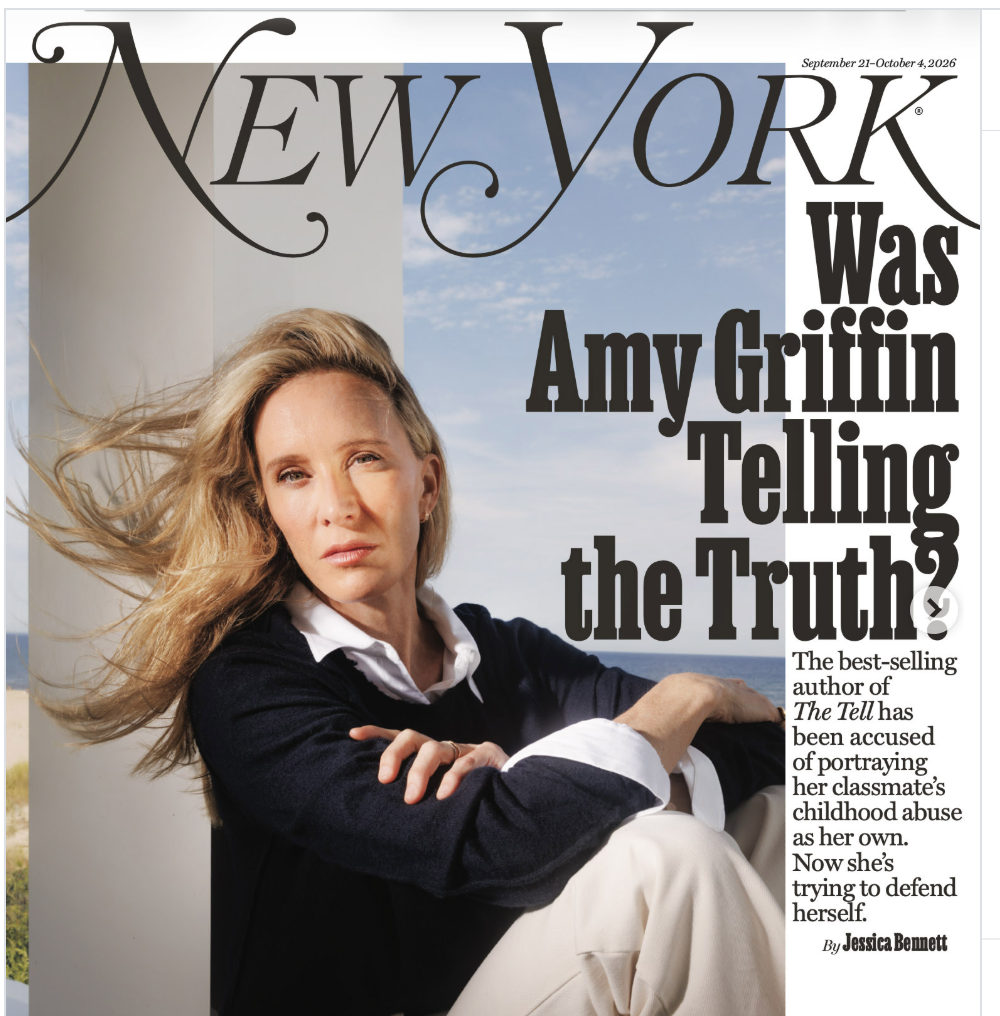
I believe something terrible happened to Amy Griffin. I also believe something terrible happened to her former classmate at their middle school in Texas. I don't think the central question around The Tell, Griffin's 2025 memoir of sexual violence, is a matter of whether Griffin's story is true or whether she stole the whole terrible story from a classmate in order to make a bestselling book. I hope the controversy around Griffin leads to more conversations about whose stories we privilege in the first place – especially when it comes to survivors of sexual assault – and how those stories are made consumable.
Griffin is a billionaire. This is important information that was left out of the book. The launch for The Tell was truly the book club girlboss dream for a debut memoir, with Griffin calling in all of her favors to her A-List friends. The Tell was an Oprah pick, but also a hit with Jenna B. Hager and Reese Witherspoon, all three of whom were present at Griffin's book launch. This was unprecedented. You'd almost assume that the interest in Griffin's book was based on sheer talent.
I had my doubts about The Tell long before all of the negative press started. In the book Griffin uses MDMA to recover memories of childhood abuse, and that made my bullshit detector beep like crazy. I’ve listened to enough true crime podcasts to know that recovered memories haven't really been A Thing since the Satanic Panic of the 1980s. I hate that I was primed to come at the memoir from a place of distrust; that’s not how I want to approach any sexual assault narrative.
The truth is even more complicated: In New York Mag Griffin claims that she had some memories of her trauma already, but she wasn't able to place them in context until she used MDMA. "The drug did not reveal new memories whole cloth but let her stop and face what she knew in fuller view." And so it was an editorial choice to tell the story a certain way, one that contained elements of fiction but, with the help of her ghostwriter, Sam Lansky, made for a better story.
Oh and also I should add that it was an editorial decision not to mention that Griffin's husband, who, along with Griffin, happens to run a foundation that has invested significantly in a for-profit pharmaceutical company focused on MDMA. There is conflict of interest all over the pages of The Tell.
The result is that many readers felt deceived, which is a very bad way for a reader to feel. What if publishers trusted readers enough to hear the whole story and reckon with ambiguity rather than needing a neat little bow tie?
Bad things happen to very wealthy people, of course. I don’t think Griffin stole someone else's story in order to create a bestselling book. The reality is less nefarious but more troubling: it was a way of packaging trauma to make it more sellable to a bunch of book clubs.
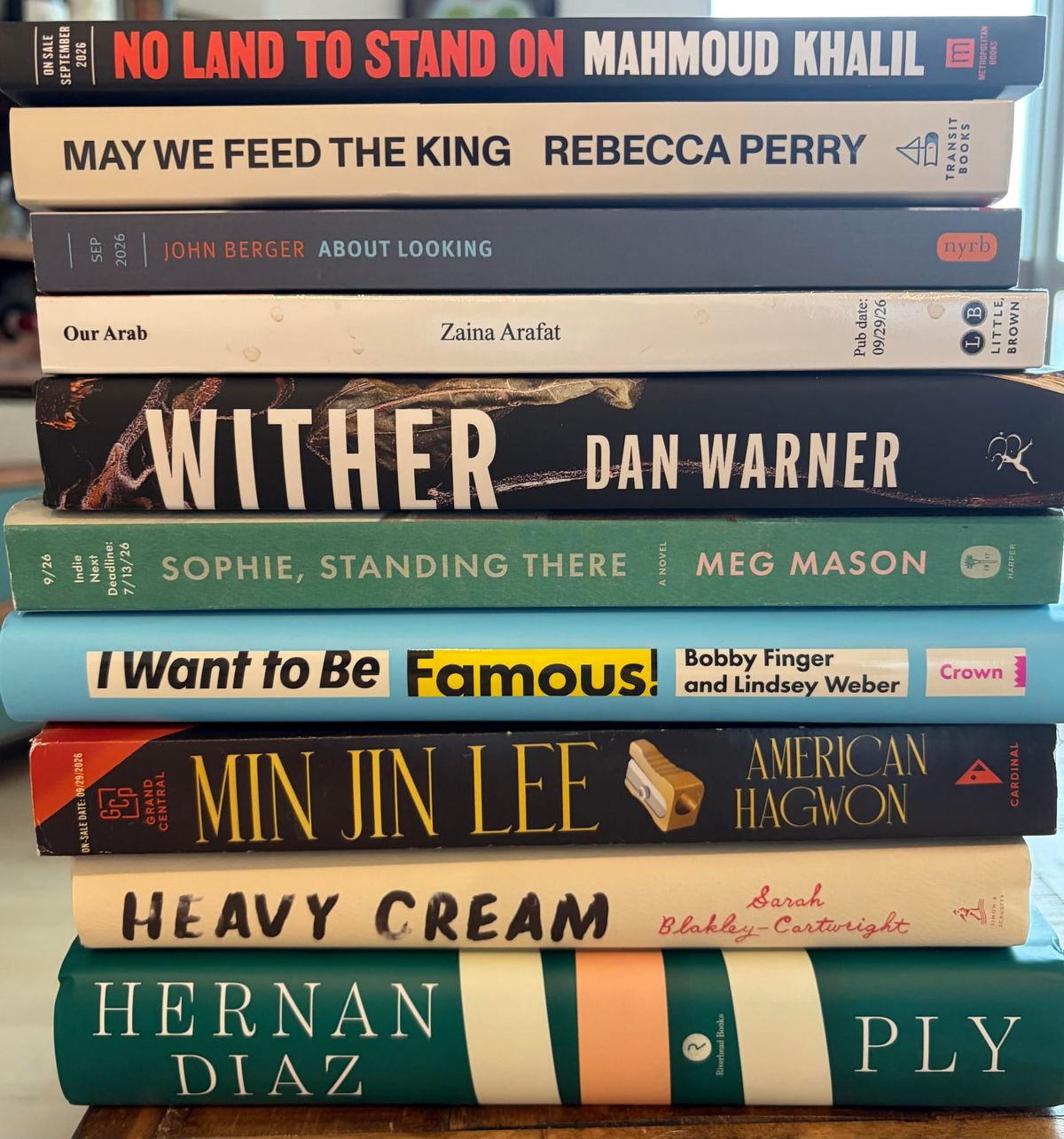
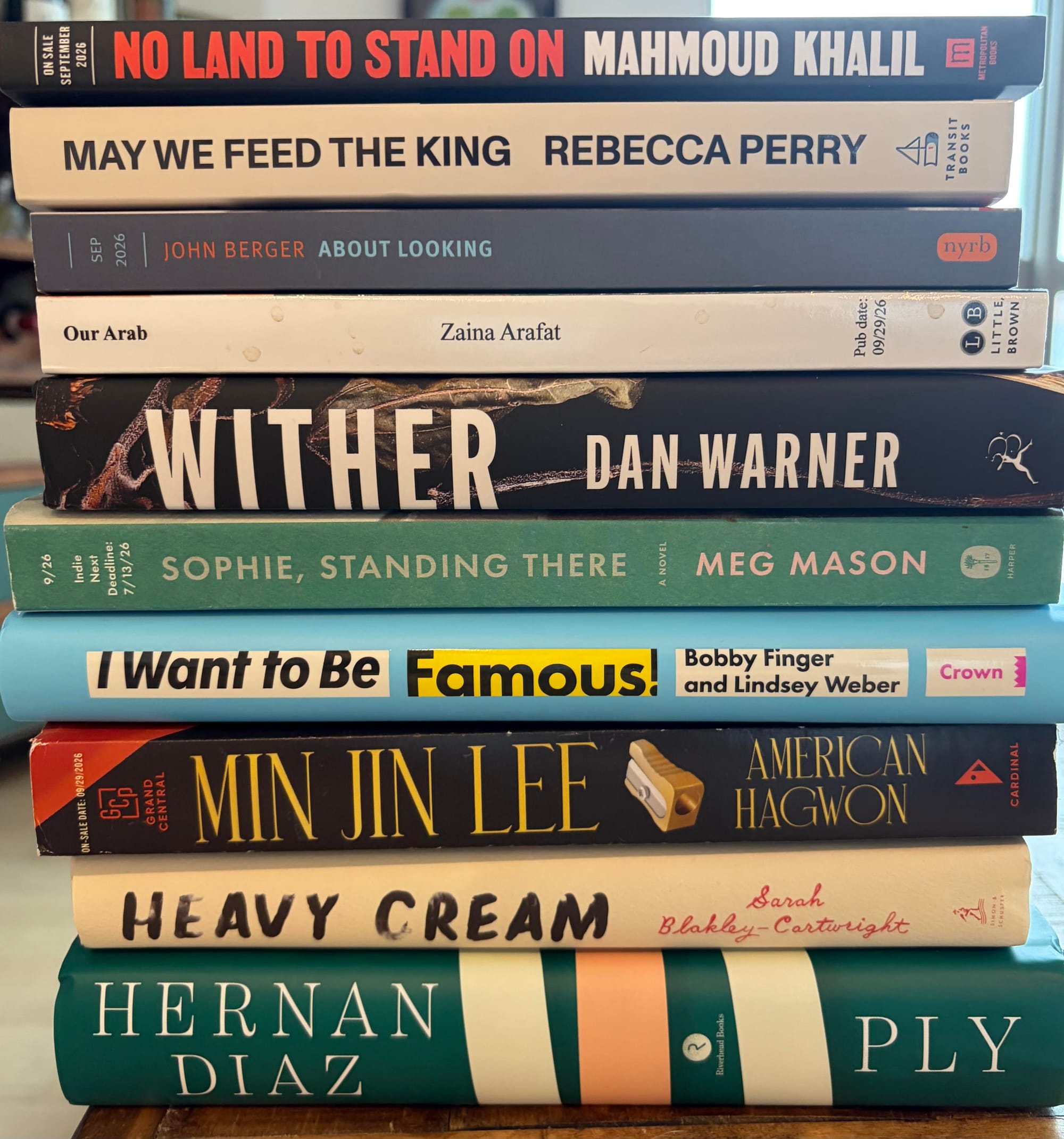
New releases, 9/29
I just want to point out that there is so much out today that you could read only books published today for a full year. And I didn't even include the new John Grisham.
No Land to Stand On: Notes from Detention by Mahmoud Khalil
May We Feed the King by Rebecca Perry
About Looking by John Berger, afterword by Tom Overton
Wither by Dan Warner
Sophie, Standing There by Meg Mason
I Want to Be Famous: When Everybody and Nobody Is a Celebrity by Bobby Finger and Lindsey Weber
American Hagwon by Min Jin Lee
Heavy Cream by Sarah Blakley-Cartwright
Ply by Hernan Diaz
Darkness Becomes Bright: On the Brief Life and Immortal Art of Edgar Allan Poe by Emily Ogden
The Floating World by Ben Eastham
Bastards by Nate Lippens
Dodge City by Patrick deWitt
The Vanishing Family: Love, Fate, and the Quest to End Dementia by Robert Kolker
The Only Thing There Is to Want: A Memoir of Three Loves by Sarah Hepola
Man in the Mirror: Hope, Struggle, and Belonging in an American City by Anand Giridharadas
Mestra by Madeline Miller
The True Confessions of First Lady Freeman by Deesha Phillyaw
Artificial Intimacy: Who We Become When We Talk to Machines by Sherry Turkle
Fictional Selves: A Memoir by Kyle MacLachlan
This Cursed Beautiful Land: A Russian-American Story by Evan Gershkovich
The Unhaunting by Micaiah Johnson
The Radiance by Ayad Akhtar
Bad Boy For Life: The Rise and Fall of Sean Combs by Cheyenne Roundtree
Gouged: The End of a Fair Price--and What That Means for Your Wallet by Lindsay Owens
Trad Wife by Sarah Langan